

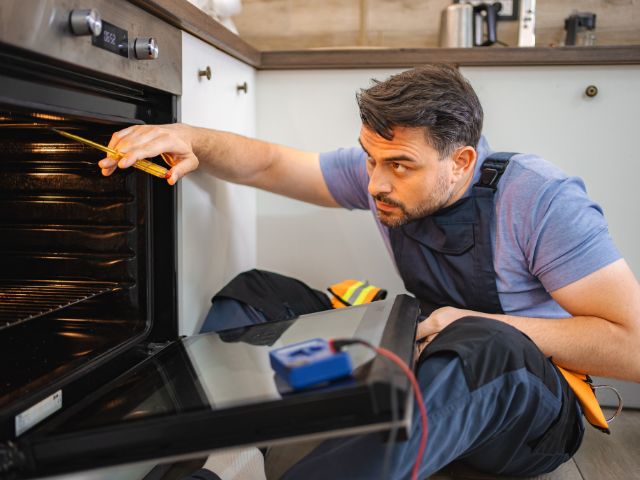
Los Angeles heat waves can push appliances beyond normal operating conditions, and wall ovens are often among the hardest hit. While many homeowners assume inconsistent baking, overheating, or fluctuating temperatures point to a failing appliance, the summer climate itself often plays a major role. High ambient temperatures, strained electrical systems, and overworked cooling components can all affect oven performance in ways many people do not expect.
If your wall oven has been cooking unevenly, taking longer to preheat, shutting off unexpectedly, or displaying erratic temperatures during periods of extreme heat, there are practical reasons behind it. Understanding what causes these problems can help prevent bigger repairs and preserve your appliance through the hottest months.
Why LA Heat Waves Disrupt Wall Oven Performance
Wall ovens are engineered to regulate internal temperatures through sensors, heating elements, insulation, and electronic controls. During severe heat waves, those systems may struggle because they are already operating in unusually hot environments.
When kitchen temperatures climb well above normal, your oven has to work harder to maintain precise cooking conditions. The result may include:
- Longer preheat cycles
- Temperature swings during baking
- Overheating protection shutdowns
- Burnt food exteriors with undercooked centers
- Faulty control panel responses
- Inaccurate thermostat readings
Heat waves don’t necessarily “break” an oven, but they can expose weaknesses in aging components or create temporary performance problems that feel like major malfunctions.
High Ambient Temperatures Can Confuse Oven Sensors
Temperature sensors are critical to accurate cooking. They monitor cavity heat and communicate with the control board to cycle heating elements on and off.
When surrounding kitchen temperatures soar during an LA heat wave, sensors can sometimes misread actual internal conditions. This can cause:
- Ovens running hotter than set temperatures
- Ovens cycling off too early
- Uneven roasting and baking results
- False overheating warnings
This issue is especially noticeable in older wall ovens or units that have not been calibrated in years.
Routine sensor testing and occasional recalibration can often restore consistency before bigger failures develop.
Electronic Control Boards Are Vulnerable in Extreme Heat
Modern wall ovens rely heavily on electronic control boards. While convenient and precise, these boards can be sensitive to prolonged heat exposure.
During severe summer conditions, control boards may experience:
- Delayed responses
- Random error codes
- Unresponsive touch panels
- Interrupted cooking cycles
- Inconsistent heating commands
In some cases, what appears to be a serious electrical failure may simply be a control board reacting to heat stress.
This is one reason professional diagnostics can be helpful before assuming expensive component replacements are necessary. Many homeowners turn to KitchenAid Repairs when recurring temperature problems appear during peak summer heat.
Power Surges During Heat Waves Can Affect Heating Accuracy
LA heat waves often increase electrical demand across neighborhoods. Air conditioners run constantly, utility loads spike, and occasional voltage fluctuations become more common.
Even subtle power inconsistencies can affect wall ovens by disrupting:
- Heating element performance
- Control board communication
- Temperature regulation cycles
- Timer and sensor functions
If your oven suddenly struggles only during heat waves, household power quality may be contributing.
Using surge protection designed for major appliances and having your electrical supply checked can sometimes resolve “appliance problems” that actually begin with the home’s power system.
Overworked Cooling Fans Can Trigger Shutdowns
Many homeowners don’t realize wall ovens use cooling fans, even while heating.
These fans protect electronics, cabinetry, and internal components from excessive temperatures. But during intense heat waves, those fans often work overtime.
When cooling airflow is restricted by dust, blocked vents, or aging fan motors, your oven may respond by:
- Shutting down mid-cycle
- Running unusually hot externally
- Displaying safety fault codes
- Producing loud fan noises
- Struggling to cool after cooking
Often, the issue isn’t the oven heating system itself—it’s the cooling system protecting it.
Checking airflow around cabinetry and keeping vents unobstructed can make a significant difference.
Poor Door Seals Become Bigger Problems in Summer
A worn oven gasket might seem minor in mild weather. During extreme heat, it can become a serious efficiency problem.
Damaged door seals allow heat loss, forcing the oven to work harder to maintain set temperatures. That extra strain grows worse when ambient temperatures are already high.
Warning signs include:
- Heat escaping around the door
- Uneven browning
- Longer bake times
- Rising kitchen temperatures while cooking
- Oven cycling excessively
Replacing a worn gasket is often inexpensive and can dramatically improve temperature stability.
Why Preheating Problems Worsen During Heat Waves
Many homeowners notice their wall oven suddenly takes much longer to preheat in summer.
That can happen when:
- Heating elements weaken under strain
- Sensors misread temperatures
- Voltage drops reduce heating efficiency
- Internal cooling systems interfere with heat buildup
Sometimes an oven appears to reach temperature, but the cavity hasn’t fully stabilized.
Using an independent oven thermometer can reveal whether preheat delays are actual heating problems or inaccurate control panel readings.
Hidden Heat Wave Stress on Bake and Broil Elements
Heating elements expand and contract every time they operate. During prolonged hot weather, that stress intensifies.
A weakening bake or broil element may show up as:
- Uneven cooking zones
- Slow roasting
- Inconsistent browning
- Sudden temperature drops
- Partial element glowing
These symptoms can be subtle at first, often mistaken for recipe errors.
Seasonal inspection of heating elements can catch deterioration before total failure.
Smart Cooking Habits That Reduce Summer Oven Problems
Small changes in how you use your wall oven during heat waves can reduce strain significantly.
Avoid Back-to-Back High-Temperature Cooking
Running multiple long bake cycles in extreme heat can overwork sensors, fans, and controls.
Minimize Frequent Door Opening
Every door opening releases heat and forces recovery cycles that stress components.
Cook During Cooler Hours
Using the oven in the early morning or evening reduces ambient heat impact.
Use Convection When Possible
Convection often cooks faster and more evenly while reducing overall run time.
Keep Kitchen Ventilation Strong
Range hoods and airflow help reduce surrounding heat buildup.
These habits support both performance and appliance longevity.
When Temperature Fluctuations Signal Repair Needs
Some heat-related issues are temporary. Others point to components already beginning to fail.
Schedule inspection if you notice:
- Oven temperatures off by 25 degrees or more
- Food consistently overcooking or undercooking
- Frequent overheating shutoffs
- Error codes appearing repeatedly
- Preheat times growing progressively longer
- Control panel glitches beyond heat wave periods
Ignoring these warning signs can turn manageable repairs into major replacements.
Maintenance Steps Before the Next LA Heat Wave
Preventive maintenance is often the best defense against seasonal oven trouble.
Helpful steps include:
Test Temperature Accuracy
Use an oven thermometer to verify actual performance.
Clean Vents and Cooling Areas
Dust buildup restricts airflow and raises component stress.
Inspect Door Gaskets
Replace worn seals before summer peaks.
Check Electrical Connections
Loose or aging connections can worsen under heat load.
Calibrate the Oven
Many models allow temperature adjustments for improved accuracy.
Schedule Seasonal Service
Professional inspection before heavy summer use can catch issues early.
Preventive care is often far less costly than emergency repairs.
How Heat Waves Can Affect More Than Just Your Oven
Kitchen appliances rarely operate in isolation.
The same environmental factors stressing your wall oven may also affect refrigerators, cooktops, and other built-ins. If you’re seeing broader summer appliance performance changes, you may also want to read Top KitchenAid Refrigerator Cooling Issues in LA Households for related warm-weather appliance insights.
Many cooling and temperature issues across kitchen appliances share surprisingly similar causes.
Frequently Asked Questions
Why does my wall oven run hotter during heat waves?
High ambient temperatures can affect sensors, airflow, and control systems, causing overheating or inaccurate regulation.
Can extreme heat damage an oven control board?
Prolonged heat stress can impact electronic boards, especially older or already weakened components.
Why is my oven taking longer to preheat in summer?
Heat-related sensor issues, reduced electrical efficiency, or struggling heating elements can all contribute.
Should I stop using my oven during a heat wave?
Not necessarily, but reducing heavy use and following heat-smart cooking practices can reduce strain.
Can fluctuating power during heat waves affect oven temperatures?
Yes. Voltage instability can interfere with heating consistency and electronic controls.
Protecting Your Wall Oven Through LA’s Hottest Months
Heat waves place unique stress on wall ovens, often creating temperature problems that seem mysterious until you understand the causes. From sensor confusion and overworked cooling fans to power fluctuations and weakened elements, many summer oven issues have practical explanations—and many are preventable.
The good news is that fluctuating temperatures during extreme heat don’t always mean major appliance failure. Often, targeted maintenance, early diagnostics, and smarter seasonal habits can restore reliable performance and help avoid costly repairs.
When LA temperatures rise, your oven shouldn’t become another casualty of summer. A little attention now can keep your wall oven cooking accurately, safely, and efficiently through every heat wave ahead.