

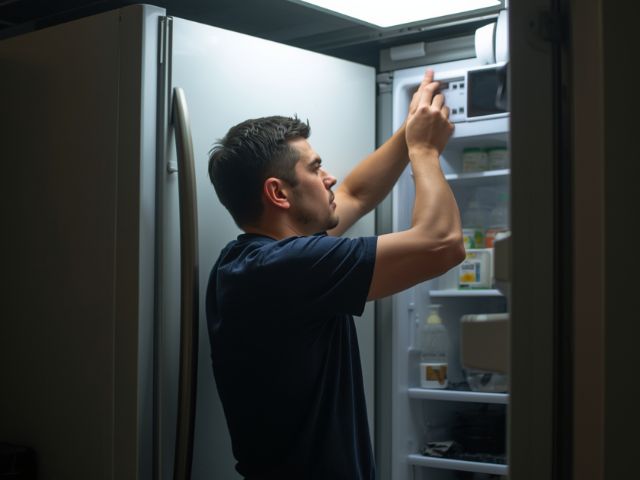
Los Angeles summers are known for their intense heat waves, soaring temperatures, and long stretches of dry weather. While people find ways to stay cool, household appliances—especially refrigerators—face constant strain. When your fridge works overtime to maintain safe temperatures, the risk of breakdown increases significantly. A malfunctioning refrigerator in the middle of summer is more than inconvenient; it can lead to spoiled food, higher energy bills, and costly repairs.
Keeping your refrigerator in peak condition during hot weather requires a mix of smart habits, regular maintenance, and early problem detection. With the right approach, you can extend your appliance’s lifespan and avoid unexpected failures during the hottest months of the year.
Why Summer Heat Puts Extra Stress on Your Refrigerator
Refrigerators are designed to maintain a consistent internal temperature regardless of outside conditions. However, extreme heat forces the appliance to work harder to keep food cold. When the surrounding air is hot, the compressor runs longer cycles, increasing wear and tear.
In Los Angeles, where temperatures can climb well above average during peak summer, refrigerators often operate under continuous pressure. Poor ventilation, overloading, and dirty components can worsen the situation. Over time, this added strain may lead to overheating, inefficient cooling, or complete system failure.
Understanding this stress factor is the first step toward preventing breakdowns. Once you know what your fridge is up against, you can take proactive measures to protect it.
Keep the Condenser Coils Clean and Efficient
One of the most overlooked maintenance tasks is cleaning the condenser coils. These coils are responsible for releasing heat from inside the refrigerator. When dust, dirt, and debris accumulate on them, the appliance struggles to expel heat efficiently.
During summer, this problem becomes even more critical. Dirty coils force the compressor to work harder, increasing energy consumption and the likelihood of overheating.
To prevent this:
- Clean the coils every 2–3 months
- Use a vacuum or coil brush for thorough removal of debris
- Ensure the area around the coils is free from clutter
Regular coil cleaning can significantly improve efficiency and reduce the risk of breakdowns during hot weather.
Ensure Proper Airflow Around the Appliance
Refrigerators need adequate airflow to function properly. When placed too close to walls or surrounded by cabinets without enough space, heat gets trapped, making it harder for the unit to cool down.
In hot climates like Los Angeles, proper ventilation is essential. Without it, the compressor may overheat and fail prematurely.
For optimal airflow:
- Leave at least 1–2 inches of space behind and on the sides
- Avoid placing the fridge near ovens or direct sunlight
- Keep vents unobstructed at all times
A well-ventilated refrigerator runs more efficiently and is less likely to suffer from heat-related damage.
Set the Right Temperature for Summer Conditions
Temperature settings play a crucial role in maintaining food safety and appliance efficiency. During summer, it may be tempting to lower the temperature excessively, but this can actually strain the system.
The ideal settings are:
- Refrigerator: 37°F to 40°F (3°C to 4°C)
- Freezer: 0°F (-18°C)
Keeping temperatures within this range ensures optimal cooling without overworking the compressor. Avoid frequent adjustments, as constant changes can disrupt the cooling cycle.
Avoid Overloading Your Refrigerator
A fully stocked refrigerator may seem efficient, but overloading can restrict airflow inside the unit. When cold air cannot circulate properly, some areas become warmer, forcing the appliance to work harder.
On the other hand, an almost empty fridge also struggles to maintain temperature efficiently.
To strike the right balance:
- Keep the fridge about 70–80% full
- Organize items to allow airflow between them
- Avoid blocking vents inside the fridge
Proper organization not only improves cooling efficiency but also reduces strain during high temperatures.
Check and Maintain Door Seals
Door seals, also known as gaskets, play a critical role in keeping cold air inside the refrigerator. Over time, these seals can wear out, crack, or loosen, allowing warm air to enter.
In summer, even a small leak can significantly impact performance, causing the compressor to run continuously.
To maintain door seals:
- Inspect for cracks or gaps regularly
- Clean with mild soap and water to remove dirt buildup
- Replace damaged seals promptly
A tight seal ensures your refrigerator maintains consistent temperatures without unnecessary effort.
Minimize Door Openings During Hot Days
Every time the refrigerator door is opened, warm air enters, forcing the appliance to work harder to restore the internal temperature. During hot summer days, this effect is amplified.
Simple habits can make a big difference:
- Plan what you need before opening the door
- Avoid leaving the door open for extended periods
- Teach household members to minimize unnecessary access
Reducing door openings helps maintain stable temperatures and prevents excessive strain on the system.
Watch for Early Warning Signs of Trouble
Refrigerator breakdowns rarely happen without warning. Recognizing early signs of trouble can save you from costly repairs or complete failure.
Common warning signs include:
- Unusual noises such as buzzing or clicking
- Inconsistent cooling or warm spots
- Excessive frost buildup in the freezer
- Water leaks or condensation
- Increased energy bills without explanation
Addressing these issues early can prevent minor problems from escalating into major breakdowns.
Schedule Professional Maintenance Before Peak Summer
Routine maintenance by a professional technician is one of the most effective ways to prevent refrigerator breakdowns. A trained expert can identify hidden issues, clean critical components, and ensure everything is functioning correctly.
For homeowners in Los Angeles, scheduling a maintenance check before the hottest months arrive can make a significant difference.
If you need expert assistance, consider reaching out to KitchenAid Repairs for reliable service and professional care tailored to your appliance needs.
Keep Your Refrigerator Energy-Efficient in High Heat
Energy efficiency becomes especially important during summer when appliances consume more power. An inefficient refrigerator not only struggles to cool but also drives up electricity bills.
To improve efficiency:
- Keep the fridge away from heat sources
- Use energy-saving settings if available
- Ensure proper insulation and sealing
- Defrost manually if your unit is not frost-free
These small adjustments can lead to noticeable savings and improved performance.
Smart Habits That Extend Your Refrigerator’s Lifespan
Daily habits can have a long-term impact on your refrigerator’s health. Consistency is key when it comes to preventing breakdowns.
Adopt these smart practices:
- Allow hot food to cool before placing it inside
- Cover liquids to prevent excess moisture
- Clean spills immediately to avoid odor and bacteria buildup
- Perform periodic deep cleaning
By maintaining these habits, you reduce unnecessary strain and keep your refrigerator running smoothly throughout the summer.
Learn From Related Appliance Challenges
Understanding how heat affects other kitchen appliances can also provide valuable insights. For example, oven temperature inconsistencies during warm weather share similarities with refrigerator performance issues.
For more helpful tips, check out this related guide:
San Jose Residents: Quick Solutions for KitchenAid Oven Temperature Problems
Exploring related topics can deepen your understanding of how temperature impacts appliance efficiency and longevity.
When It’s Time to Repair or Replace
Despite your best efforts, there may come a time when repairs are unavoidable. Knowing when to repair or replace your refrigerator can save you money and stress.
Consider repair if:
- The issue is minor and cost-effective to fix
- The appliance is relatively new
- Energy efficiency remains acceptable
Consider replacement if:
- Repairs are frequent and costly
- The unit is over 10–15 years old
- Energy bills are consistently high due to inefficiency
Making the right decision ensures you get the best value and performance for your investment.
Frequently Asked Questions
- How often should I clean my refrigerator coils during summer?
Every 2–3 months is ideal, especially during periods of heavy use and high temperatures. - What temperature should my fridge be set at in hot weather?
Keep it between 37°F and 40°F for optimal performance and food safety. - Why does my refrigerator run constantly in summer?
High ambient temperatures force the compressor to work harder to maintain internal cooling. - Can overloading my fridge cause it to break down?
Yes, overcrowding restricts airflow and increases strain on the cooling system. - Is professional maintenance necessary every year?
Annual maintenance is highly recommended to catch potential issues early and ensure efficiency.
Keep Your Cool All Summer Long
Preventing refrigerator breakdowns during Los Angeles summer heat doesn’t require complicated steps—just consistent care, smart habits, and timely maintenance. By keeping your appliance clean, properly ventilated, and efficiently organized, you can significantly reduce the risk of unexpected failures.
A well-maintained refrigerator not only keeps your food fresh but also saves energy and extends the life of your appliance. With the right approach, you can enjoy a stress-free summer without worrying about costly repairs or inconvenient breakdowns.