

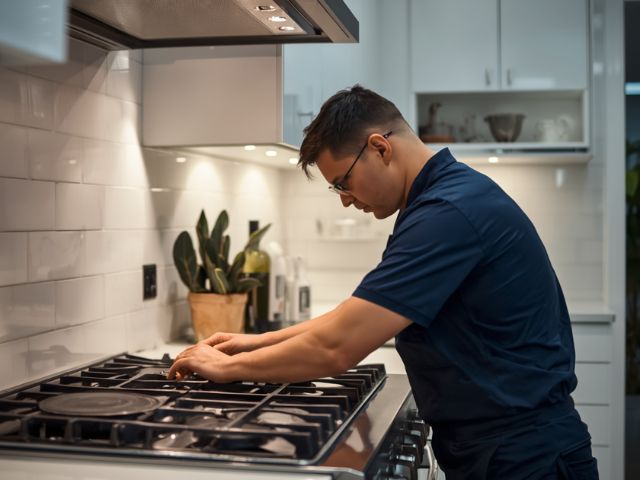
When temperatures rise, most homeowners expect their cooling systems to work harder—but few realize that extreme heat can also affect kitchen appliances. If your range suddenly struggles to heat properly during hot weather, you’re not imagining things. Seasonal temperature shifts can influence how your appliance performs, sometimes leading to uneven cooking, delayed heating, or even complete malfunction.
Understanding why this happens can help you prevent long-term damage, save on energy costs, and ensure your meals turn out exactly as planned—even in the middle of a heatwave.
How Hot Weather Interferes With Range Performance
Your kitchen range is designed to operate within a specific temperature range. When the surrounding environment becomes excessively hot, several internal and external components can be affected.
High ambient temperatures can cause sensors to misread internal heat levels. As a result, your appliance may assume it’s hotter than it actually is, leading to reduced heating output. This can make cooking frustratingly slow or inconsistent.
In addition, prolonged exposure to heat can strain electrical components. Wiring, control boards, and thermostats may not function optimally, especially if ventilation is poor. Over time, this stress can lead to more serious issues that require professional repair.
The Role of Poor Ventilation in Heat-Related Issues
A well-ventilated kitchen is crucial, especially during warmer months. When heat builds up around your range, it creates a feedback loop that impacts performance.
Without proper airflow, the appliance retains excess heat, which can confuse temperature sensors and disrupt normal operation. This is particularly common in tightly enclosed kitchens or spaces without functioning exhaust fans.
Simple improvements like using a range hood, opening windows, or installing additional ventilation can make a noticeable difference. These steps not only improve appliance efficiency but also enhance overall kitchen comfort.
Faulty Temperature Sensors and Calibration Problems
Temperature sensors play a vital role in regulating how your range heats. In hot weather, these sensors may become less accurate, leading to incorrect readings.
If your oven or burners are not reaching the desired temperature, it could be due to a miscalibrated sensor. Heat exposure over time can cause these components to drift from their original settings.
Recalibration or replacement may be necessary to restore proper function. If the issue persists, seeking professional assistance ensures the problem is correctly diagnosed and resolved.
Electrical Components Under Heat Stress
Heat doesn’t just affect how your range feels—it impacts how it works internally. Electrical systems are particularly sensitive to temperature fluctuations.
Wires can expand, connections may loosen, and circuit boards can overheat. These issues often result in inconsistent performance, such as burners that won’t ignite properly or ovens that fail to maintain steady heat.
Regular inspections and timely repairs can prevent these minor issues from escalating into costly breakdowns.
Gas Range Challenges During Hot Weather
Gas ranges are not immune to heat-related problems. In fact, high temperatures can affect gas pressure and ignition systems.
When it’s extremely hot, gas flow may fluctuate, leading to weak or uneven flames. Additionally, ignition components can struggle to spark effectively if they are overheated or exposed to humidity.
Keeping your range clean and ensuring proper maintenance can help minimize these issues. If problems persist, professional servicing is recommended.
Everyday Habits That Make the Problem Worse
Sometimes, daily routines unknowingly contribute to the issue. Using multiple appliances at once, such as ovens, stovetops, and dishwashers, can significantly raise kitchen temperatures.
This added heat puts extra strain on your range, making it harder for the appliance to regulate its own temperature. Cooking during peak afternoon heat can also intensify the problem.
Adjusting your cooking schedule—such as preparing meals earlier in the day or later in the evening—can help reduce the impact of external heat.
Simple Fixes to Improve Range Efficiency in Summer
You don’t always need a major repair to fix heat-related performance issues. Small adjustments can go a long way in improving your range’s efficiency.
Start by ensuring your kitchen is well-ventilated. Clean your appliance regularly to prevent buildup that can trap heat. Avoid overloading the oven, as this can disrupt airflow and lead to uneven cooking.
It’s also helpful to check seals and gaskets. If these are worn or damaged, heat can escape, making your range work harder than necessary.
When Professional Help Becomes Necessary
If your range continues to struggle despite your best efforts, it may be time to call in the experts. Persistent issues often indicate deeper mechanical or electrical problems that require specialized tools and knowledge.
A professional technician can inspect internal components, recalibrate sensors, and replace faulty parts to restore optimal performance. Addressing these issues early can prevent further damage and extend the lifespan of your appliance.
For reliable service, consider reaching out to KitchenAid Repairs to ensure your range is operating at its best—even during extreme weather conditions.
Preventing Future Heat-Related Appliance Issues
Prevention is always better than repair. Taking proactive steps can help your range withstand seasonal temperature changes.
Schedule regular maintenance checks to keep all components in good condition. Ensure your kitchen has adequate ventilation and avoid placing heat-sensitive items too close to your range.
Investing in energy-efficient appliances can also make a difference. Modern designs are better equipped to handle environmental stress, providing consistent performance regardless of the weather.
Exploring Related Appliance Concerns
Heat doesn’t just affect your range—it can impact other kitchen appliances as well. Refrigerators, for example, often struggle to maintain cooling efficiency during hot weather.
If you’ve noticed similar issues, you might find it helpful to read this guide on
Los Angeles KitchenAid Refrigerator Cooling Issues? Here’s How to Fix Them.
Understanding how different appliances respond to heat can help you maintain a fully functional kitchen all year round.
Frequently Asked Questions
Why does my range take longer to heat in hot weather?
High ambient temperatures can interfere with sensors and internal components, causing the appliance to misread heat levels and reduce output.
Can poor ventilation affect my range’s performance?
Yes, inadequate airflow traps heat around the appliance, making it harder for your range to regulate temperature properly.
Is it safe to use my range during extreme heat?
Generally, yes—but it’s important to monitor performance and avoid overuse. If you notice unusual behavior, it’s best to have it checked.
Do electric and gas ranges react differently to heat?
Both can be affected, but in different ways. Electric ranges may experience wiring issues, while gas ranges can face ignition or pressure problems.
How often should I service my range?
Regular maintenance at least once a year is recommended, especially before peak summer months.
Bringing Back Reliable Cooking Performance
A range that doesn’t heat properly can disrupt your daily routine, especially when preparing meals becomes unpredictable. Hot weather adds an extra layer of complexity, but understanding the root causes makes it easier to address the problem effectively.
By improving ventilation, adjusting cooking habits, and staying on top of maintenance, you can keep your range performing reliably—even during the hottest days of the year. And when issues go beyond simple fixes, professional support ensures your appliance gets the care it needs to function at its best.
Keeping your kitchen running smoothly isn’t just about convenience—it’s about creating a space where cooking remains enjoyable, no matter the season.