

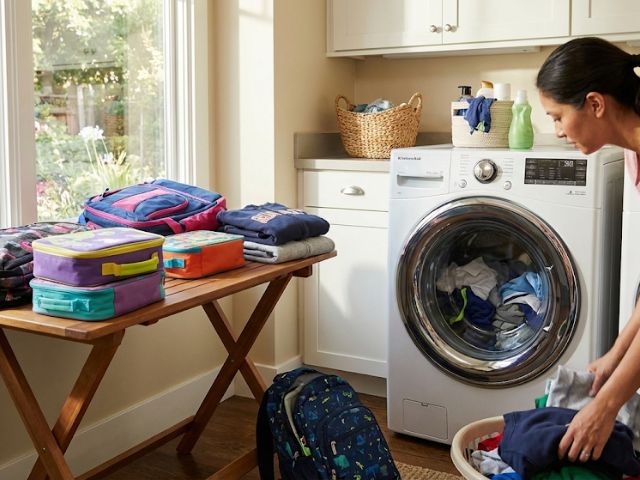
As the new school year kicks off in Pasadena, it’s time to ensure your household appliances are ready to handle the back-to-school rush. Among the most-used appliances, the KitchenAid washer often bears the brunt of school uniforms, sports gear, and daily laundry. Performing regular maintenance can prevent costly repairs, improve efficiency, and extend the life of your washer. This comprehensive checklist will help you keep your washer running smoothly and avoid unexpected breakdowns during the busiest months of the year.
Inspect and Clean the Washer Drum
One of the simplest yet most important maintenance tasks is inspecting and cleaning the washer drum. Residue from detergents, fabric softeners, and everyday dirt can accumulate over time, leading to unpleasant odors and reduced cleaning efficiency.
- Visual inspection: Look for any visible mold, mildew, or residue inside the drum.
- Deep cleaning: Run an empty hot water cycle with a washer-safe cleaner or vinegar to sanitize and remove buildup.
- Wipe down: After each use, leave the washer door open to allow the drum to air out, preventing moisture buildup.
Regular drum maintenance not only keeps clothes fresh but also protects internal components from corrosion and long-term wear.
Check and Clean the Detergent Dispenser
Detergent buildup is a common issue in high-usage households, especially during school season when laundry loads increase.
- Remove the dispenser tray: Pull it out according to your washer’s manual instructions.
- Scrub thoroughly: Use a soft brush and warm water to remove detergent or softener residue.
- Dry completely: Before reinserting, ensure the tray is completely dry to prevent mold formation.
Maintaining a clean dispenser ensures detergent dissolves properly and prevents unnecessary wear on the washer’s internal mechanisms.
Examine Hoses for Wear and Tear
The washer’s hoses are critical components that carry water to and from your machine. Over time, they can become brittle or develop leaks.
- Visual inspection: Check hoses for cracks, bulges, or fraying.
- Tighten connections: Ensure hose connections are secure but not overtightened.
- Replace if needed: If hoses show signs of wear or are over five years old, replace them to avoid unexpected flooding.
A simple hose check can save you from potential water damage and emergency repairs.
Clean the Washer Filter and Pump
Many KitchenAid washers feature filters or pumps that trap lint, coins, and other debris. A clogged filter can reduce washing efficiency and strain the motor.
- Locate the filter: Refer to your washer’s manual to find the filter or pump access point.
- Remove debris: Carefully clear out lint, small items, and buildup.
- Reassemble properly: Ensure the filter is securely in place to maintain optimal water flow.
This step is especially crucial during back-to-school season, when daily laundry loads increase significantly.
Level Your Washer Properly
A washer that is not level can vibrate excessively, causing long-term damage to internal components.
- Check the level: Use a carpenter’s level on the top of the washer.
- Adjust feet as needed: Most KitchenAid washers allow for adjustable feet to stabilize the unit.
- Test with a small load: After adjustments, run a test load to ensure the washer is balanced during spin cycles.
A stable washer reduces noise, prevents floor damage, and extends the appliance’s lifespan.
Run Periodic Maintenance Cycles
KitchenAid washers often have built-in maintenance cycles designed to flush out residue and sanitize the drum.
- Monthly maintenance cycle: Use this feature regularly, especially after heavy laundry loads.
- Hot water cycle: Running a hot water cycle with a washer-safe cleaner can remove lingering detergent buildup.
- Air circulation: Leave the door open after cycles to prevent moisture accumulation.
Periodic maintenance keeps your washer running efficiently and ensures clean, odor-free laundry every time.
Inspect the Door Seal
The rubber door gasket is a common area where mold and mildew can form if not cleaned regularly.
- Check for moisture: Wipe down the seal after each load, focusing on folds where water can accumulate.
- Sanitize: Use a diluted vinegar solution to remove mold or mildew.
- Monitor integrity: Replace the seal if it shows cracks or tearing to prevent leaks.
Keeping the door seal clean and intact prevents unpleasant smells and costly water damage.
Optimize Detergent Usage
Using the right detergent in the correct amount is critical for your washer’s performance.
- High-efficiency detergent: Ensure you use HE detergent designed for KitchenAid washers.
- Measure carefully: Overuse can create residue and buildup, underuse may leave clothes dirty.
- Adjust for load size: Follow the manufacturer’s guidelines for small, medium, and large loads.
Proper detergent use improves cleaning results and prevents unnecessary wear on internal components.
Check Electrical Connections
A back-to-school season often means heavy daily usage, so inspecting electrical connections is essential.
- Inspect the plug: Look for signs of fraying or burning.
- Avoid extension cords: Plug directly into a grounded outlet.
- Professional inspection: If any electrical issues are suspected, contact a certified technician.
Ensuring your washer’s electrical safety protects your household and prevents unexpected outages.
Schedule Professional Maintenance When Needed
Even with regular upkeep, professional maintenance is recommended at least once a year to ensure all systems function correctly. Trusted service providers, such as KitchenAid Repairs, offer expert diagnostics, repair, and advice tailored to your appliance.
- Identify hidden issues: Professionals can detect small problems before they escalate.
- Safety checks: Certified technicians verify electrical and plumbing connections.
- Extended appliance life: Regular professional service prevents early breakdowns and costly repairs.
Professional servicing paired with your regular maintenance can keep your washer running efficiently throughout the entire school year.
Prevent Overheating Issues
Heavy usage during back-to-school season can cause washers to overheat. Understanding warning signs and preventive measures is crucial.
- Avoid overloading: Never exceed the washer’s recommended load capacity.
- Monitor cycles: If the washer becomes unusually hot, pause and allow it to cool.
- Know the signs: Strange noises, burning smells, or error codes may indicate overheating.
For additional tips on managing appliance heat, check out How to Fix Overheating KitchenAid Appliances: Step-by-Step for expert guidance.
Tips for Energy Efficiency During School Season
High-frequency laundry loads can impact energy bills. Optimizing your washer’s energy usage helps save money and reduce environmental impact.
- Use cold water cycles: Most detergents are effective in cold water and save energy.
- Load appropriately: Full, balanced loads maximize efficiency without overworking the washer.
- Air dry when possible: Reduces energy consumption from dryers, which also lessens wear on clothing.
Simple energy-saving habits keep your household efficient during the busiest time of the year.
Keep an Emergency Kit Handy
Despite careful maintenance, washers can occasionally fail. Having an emergency kit ready can prevent minor issues from becoming disasters.
- Spare hoses and clamps
- Bucket and towels for leaks
- Basic tools for quick adjustments
- Contact info for professional repair
Preparation ensures you can manage minor issues without disrupting your school-year routine.
Encourage Household Members to Help Maintain the Washer
Getting the entire family involved can reduce misuse and prevent damage.
- Set usage guidelines: Teach children how to load laundry properly.
- Explain detergent limits: Avoid overuse or misuse.
- Check pockets: Remove items that can damage the washer, like coins or small toys.
Teamwork makes back-to-school laundry less stressful and keeps your washer in optimal condition.
Frequently Asked Questions
- How often should I clean my KitchenAid washer drum?
Ideally, run a cleaning cycle once a month and wipe the drum after every few loads. - Can overloading really damage my washer?
Yes, overloading strains the motor, suspension system, and drum bearings, reducing appliance lifespan. - When should I replace the hoses?
Replace hoses every five years or immediately if you notice cracks, leaks, or bulging. - How do I prevent odors in my washer?
Leave the door open after cycles, clean the dispenser tray regularly, and sanitize the drum monthly. - Is professional maintenance necessary?
Yes, an annual professional check ensures early detection of issues and keeps your washer running efficiently.
Conclusion: Start the School Year With a Smooth-Running Washer
A reliable washer is essential during the back-to-school season. By following this Pasadena back-to-school KitchenAid washer maintenance checklist, you can prevent breakdowns, improve efficiency, and extend your appliance’s lifespan. Remember to inspect hoses, clean the drum, check the door seal, and run periodic maintenance cycles. For complex repairs or expert guidance, don’t hesitate to reach out to KitchenAid Repairs.
With consistent care, you’ll enjoy hassle-free laundry, clean clothes, and a washer that’s ready to tackle the busiest months of the year. Start now to protect your investment and keep your household running smoothly through every school day!