

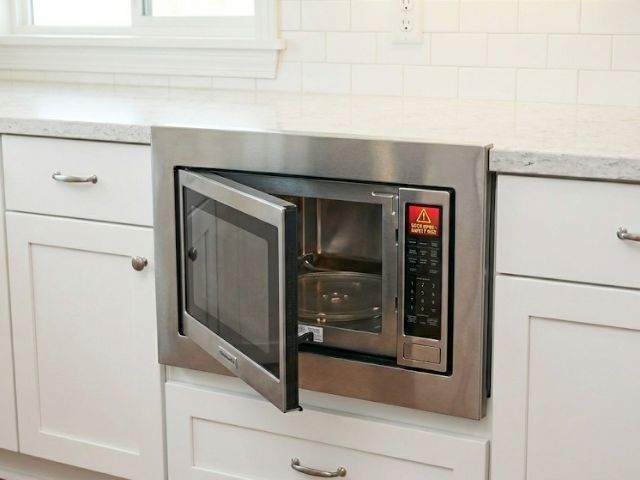
When your microwave door won’t close properly or the unit won’t start despite being plugged in, you’re likely dealing with a faulty latch mechanism. For homeowners with KitchenAid appliances, understanding how the KitchenAid microwave latch system works can save you time, money, and the frustration of interrupted meal preparation. This definitive guide walks you through everything you need to know about diagnosing, repairing, and replacing your microwave’s latch assembly.
Understanding Your KitchenAid Microwave Latch System
The latch mechanism in your KitchenAid microwave serves as a critical safety feature that prevents the appliance from operating when the door is open. This system consists of several components working in harmony: the door latch itself, the hook assembly, door switches, and the striker plate. When you close the microwave door, the latch engages with the striker plate, triggering the door switches that signal the control board it’s safe to operate. Any malfunction in this sequence prevents your microwave from heating food, regardless of how many times you press the start button.
Common Signs Your Latch Needs Attention
Recognizing the warning signs early can prevent complete microwave failure and potential safety hazards. Here are the telltale indicators that your latch requires immediate attention:
- The door won’t latch closed or pops open during operation
- The microwave runs but doesn’t heat food properly
- You hear clicking sounds but the unit won’t start
- The door feels loose or misaligned when closed
- Error codes appear on the display panel
- The interior light stays on even when the door appears closed
- Unusual gaps visible between the door and the microwave frame
What Causes Latch Failures
Understanding why latches fail helps you prevent future problems and maintain your appliance properly. Here are the primary culprits behind latch malfunctions:
Physical Wear and Tear
- Thousands of open-and-close cycles naturally degrade plastic components
- Constant friction combined with heat exposure accelerates deterioration
- Spring mechanisms lose tension over time
- Plastic hooks and catches become brittle and crack
Improper Usage Habits
- Slamming the door repeatedly stresses the latch mechanism
- Forcing the door closed when items obstruct the seal causes misalignment
- Children hanging on microwave doors creates excessive weight stress
- Opening the door while the unit is running damages safety switches
Debris and Contamination
- Accumulated food particles interfere with proper latch engagement
- Grease buildup on striker plates prevents secure closure
- Moisture attracts corrosion on metal components
- Hardened spills warp plastic housing over time
Electrical and Manufacturing Issues
- Power surges damage door switch assembly
- Specific model years experience higher failure rates
- Design weaknesses in certain production batches
- Faulty wiring connections create intermittent problems
DIY Troubleshooting Steps
Before calling a professional or ordering replacement parts, follow these systematic troubleshooting techniques:
Visual Inspection
- Unplug the microwave completely before examination
- Look for broken plastic pieces or bent metal components
- Check for obvious misalignment between door and frame
- Observe how the latch engages with the striker plate while opening and closing slowly
Thorough Cleaning
- Use degreasing cleaner and warm water on entire door area
- Remove all food residue from latch, striker plate, and surrounding surfaces
- Clean inside the latch housing with a small brush
- Dry completely before testing operation
Electrical Testing
- Test door switches with a multimeter if comfortable with electrical work
- Switches should show continuity when pressed, none when released
- Failed door switches mimic latch problems but need different repairs
- Check all wire connections for looseness or corrosion
Alignment Check
- Examine gaps around door perimeter for evenness
- Uneven spacing indicates door has shifted on hinges
- Tighten loose hinge screws that may cause alignment issues
- Verify striker plate hasn’t shifted from its mounting position
The Replacement Process
When troubleshooting confirms you need a new KitchenAid microwave latch, follow these detailed steps for successful replacement:
Preparation Stage
- Verify correct replacement part using your microwave’s model number
- Gather necessary tools: screwdrivers, pliers, camera for documentation
- Disconnect power completely at the circuit breaker, not just unplugging
- Clear adequate workspace around the microwave
Disassembly Steps
- Remove outer cabinet panels according to service manual instructions
- Take screws from top and sides of unit
- Slide cabinet forward and lift off carefully
- Photograph all wiring configurations before disconnecting anything
Latch Removal
- Document door switch wire positions with clear photos
- Disconnect wires from terminals carefully
- Remove mounting screws securing old latch assembly
- Extract latch from door frame without forcing
Installation Process
- Position new latch exactly where old one was mounted
- Secure with mounting screws, tightening firmly but not excessively
- Reconnect door switch wiring exactly as photographed
- Verify all connections are secure and properly seated
Testing and Reassembly
- Test latch operation manually without power connected
- Ensure latch engages smoothly and holds firmly
- Reinstall cabinet panels in reverse order of removal
- Restore power and run microwave empty for 30 seconds to verify function
When Professional Help Makes Sense
While many homeowners successfully replace microwave latches themselves, certain situations warrant professional expertise. If you’re uncomfortable working with electrical components or removing cabinet panels, professional service eliminates safety risks. When multiple components appear damaged or you’re unsure about the diagnosis, a trained technician can accurately assess the situation and prevent unnecessary part replacements. Complex models with integrated control boards near the latch assembly require specialized knowledge to service safely. Damaging these expensive components during amateur repair attempts often costs more than professional service would have initially. Additionally, if your microwave remains under warranty, self-repair typically voids coverage, making professional service the financially prudent choice.
Preventing Future Latch Problems
Extending your latch’s lifespan starts with implementing these preventive maintenance practices:
Proper Usage Habits
- Always close the door gently rather than slamming it shut
- Ensure no dishes, towels, or food items obstruct the door seal before closing
- Teach children that microwave doors aren’t handles or toys
- Avoid leaning or placing weight on the open door
Regular Cleaning Routine
- Wipe down door seal, latch area, and striker plate weekly
- Use mild detergent and water for routine maintenance
- Address spills immediately rather than letting them harden
- Deep clean the latch mechanism monthly with appropriate cleaners
Proactive Inspection
- Check latch mechanism monthly for signs of wear
- Look for small cracks or looseness in plastic components
- Test door closure firmness and consistency
- Address minor issues before they become major failures
Load Management
- Avoid overloading with heavy dishes that stress the door
- Distribute weight evenly on the turntable
- Remove items carefully to prevent jarring the door structure
- Use appropriate containers that fit comfortably inside
Final Thoughts
A malfunctioning KitchenAid microwave latch disrupts your kitchen routine and compromises appliance safety, but understanding the system empowers you to address problems effectively. Whether you choose DIY repair or professional service depends on your comfort level with appliance repair, the complexity of your specific model, and the extent of the damage. Regular maintenance and proper usage habits significantly extend latch lifespan, protecting your investment and ensuring reliable microwave operation for years to come. Remember that the KitchenAid microwave latch is a replaceable component designed for eventual service, so don’t hesitate to address issues promptly rather than struggling with a malfunctioning appliance.
Expert Microwave Repair Services You Can Trust
Don’t let a faulty microwave latch disrupt your daily routine. At KitchenAid Repairs, our certified technicians specialize in KitchenAid appliance repair, delivering fast, reliable service that gets your kitchen back to full functionality. Contact us today for professional diagnosis and expert repairs that stand the test of time.
Frequently Asked Questions
How long does a KitchenAid microwave latch typically last? With normal use, a microwave latch should last 7-10 years before requiring replacement. Heavy usage, frequent door slamming, or environmental factors like humidity can shorten this lifespan considerably.
Can I use my microwave if the latch seems loose but still closes? No, you should not operate a microwave with a compromised latch system as it poses safety risks including microwave radiation leakage and potential fire hazards. Address latch issues immediately before continued use.
How much does professional latch replacement typically cost? Professional latch replacement generally costs between $150-$300, including parts and labor, though prices vary based on your model and local service rates. This investment ensures proper installation and continued safe operation.
For more essential appliance maintenance advice, check out our previous blog: Must-Know Holiday Oven Repair Prep Tips for Smooth Cooking to keep your kitchen running smoothly year-round.