

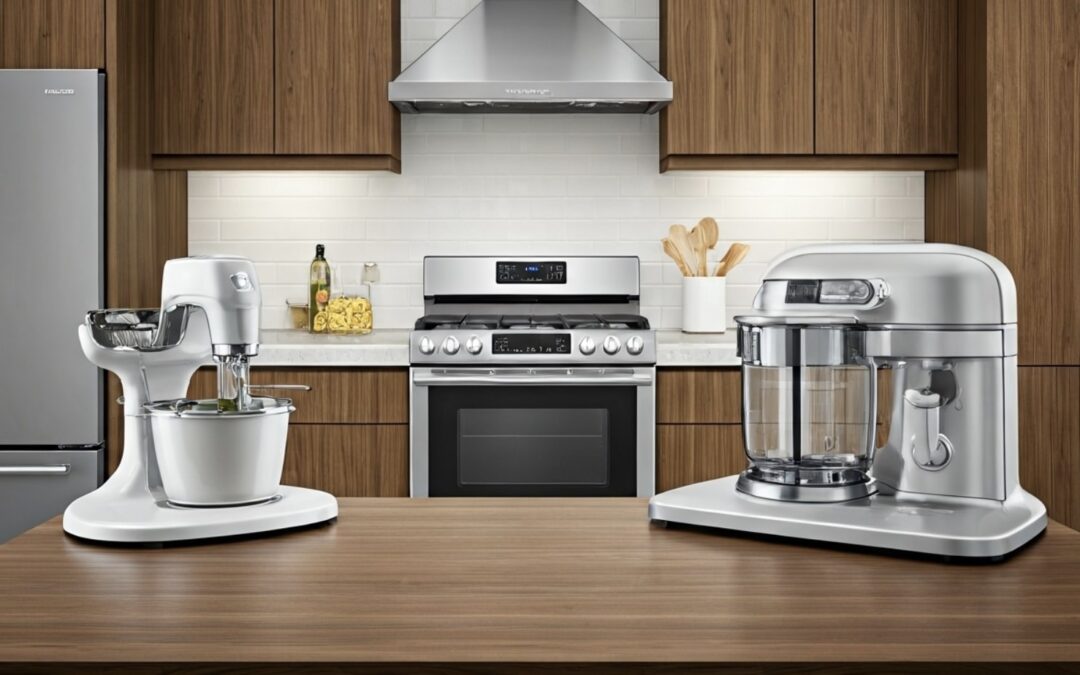
KitchenAid appliances are at the heart of modern kitchens. They help make everyday tasks easy and quick. These major appliances, like a KitchenAid refrigerator, cooktop, and microwaves, help with all your cooking needs. But, what do you do if your KitchenAid stops working? No matter if you use a top KitchenAid refrigerator or a nice cooktop, a breakdown can mess up your daily life. The good thing is, with the right steps, most of these appliance problems can be solved at home. In this blog, you will get easy “how to repair KitchenAid appliances tips.” This guide will help your kitchen appliance work like it is new again.
Understanding KitchenAid Appliance Issues
KitchenAid appliances are made to last, but over time they can stop working right. You might hear your refrigerator humming but notice that it does not get cold, or your cooktop might not start. Problems can show up in any part of your KitchenAid appliance. To fix them fast, you need to know why they happen. If you know what usually goes wrong with your KitchenAid wall ovens, microwaves, or cooktop, it is much easier to find a solution.
Most issues come from using the appliance for a long time, not taking care of it well, or quick changes in power. For example, microwaves sometimes stop working because the main heating part, the magnetron, burns out. Wall ovens might not show the right temperature. If you fix these problems soon, you can save a lot of money later. Up next, we’ll talk about how to find what’s wrong with your appliance. You will also see when you can fix it yourself and when you should call an expert.
Common Problems and Symptoms
Every KitchenAid appliance starts to show some signs before it stops working completely. These signs help you spot the issue early. For example, if you see that your KitchenAid refrigerator is not as cool as it should be, the compressor might have a problem. It could also be because the coils get clogged. If you see that the cooling inside is not even or frost is forming, this also means that something inside is wrong and you need to check it right away.
Many people have issues with microwaves, too. If your microwave does not heat food, there could be trouble with the magnetron or the switch on the door. If you hear strange noises, there could be a broken motor or fan inside. In the same way, electric cooktops are good to use, but sometimes, they just will not turn on. This can be caused by a problem with the burners or the wiring.
It is important to look at these signs early, so you do not end up with bigger problems later. If you know what to watch for, you can do quick checks and fixes. We will look into that next. The idea is to help you figure out if it is a simple fix you can do, or if you will need help from a person who knows how to fix these things.
Step-by-Step Guide to Repairing KitchenAid Appliances
Fixing your KitchenAid appliance does not have to be hard. If you follow some simple steps, you can handle many problems on your own. Below, we will explain each step for how to do this. They give you easy instructions. You can trust the guide to help you get your appliance back in good shape. Let’s start by looking at how to find what’s wrong with it.
Step 1: Diagnosing the Issue
Finding out what is causing the problem is the most important step to fix your appliance. Start by looking at how the appliance is working. Think about things like if your wall oven is not cooking food the same everywhere, or if it will not turn on at all. Listen for any new or strange sounds coming from your refrigerator. Keep what you find in your mind, as it can help you later.
You can also go to KitchenAid’s website to look up error codes or to find the user manuals. The table below helps you with some of the first things to check:
| Appliance Type | Common Issue | Possible Cause | Diagnostic Tip |
|---|---|---|---|
| Wall Oven | Not heating evenly | Faulty thermostat | Use a thermometer to verify temps |
| Refrigerator | No cooling | Dirty coils or bad compressor | Check coil cleanliness |
| Microwave | No heating | Magnetron failure | Test with a power meter |
Write down any symptoms that you see, and compare them with your manual. This will help you know what steps to do next when looking for the right parts to use in repairs with your KitchenAid appliance.
Step 2: Procuring the Right Parts
Getting the right replacement parts is key if you want your repair job to go well. You should start by finding the model number of your KitchenAid appliance. Most of the time, you can see this on a label inside the door or on the back of major appliances.
KitchenAid’s online store is a good place to buy certified parts. You will find parts for things like wall ovens, refrigerators, and even your cooktop. Always make sure any part you pick will work with your device. For example, if you put the wrong thermostat on your cooktop, it may not work right, and you could end up with more problems.
If you are not sure which parts you need, reach out to KitchenAid customer support. They can help you find the right components. If you use original manufacturer (OEM) parts, your appliance will work the way it should. OEM parts also help keep the warranty valid. Once you have your parts, you will be ready to get started on the repair.
Step 3: Executing the Repair
Now, it’s time to fix the issue with your appliance. Before you start, be sure you have all the tools and new parts you need. Always unplug the appliance first. This is to make sure you and others stay safe.
- Start with the small fixes. For example, if your refrigerator is not cooling, begin by cleaning the coils. Sometimes this simple step can solve the problem.
- If you have to switch out any parts, go step by step using the service manual. For example, take care when taking out wires as you remove a bad magnetron in a microwave.
Go slow and don’t rush. Doing things too fast could cause mistakes or break the appliance even more. If you still have trouble after all your work, the problem may be bigger than you can handle. You may need a professional to take a look at it. In the next part, we will talk about how to know when it’s time to call a specialist for help.
When to Opt for Professional Help vs. DIY
Not every repair job be right for a do-it-yourself fix. For example, if you need to fix electrical parts in a microwave or change the compressor in a fridge, these are jobs that need special skills. It is better to let a professional handle them.
If you feel that there could be a safety risk or that the repair is more than you can do, reach out to KitchenAid repair services. For easier things, like changing filters or cleaning parts of your appliance, you can do it yourself. Doing these simple jobs can save you both time and money. The important thing is to know what you can do and to always keep safety first when working on a KitchenAid appliance.
Contact Us at KitchenAid Repairs for Reliable Service
Need help with your KitchenAid appliance? Our expert repair team at KitchenAid Repairs is ready to help you. If your microwave is not working, your cooktop is broken, or your refrigerator will not cool, we can fix these problems for you fast. We make sure your major appliances get the right care and are back to working well in no time.
KitchenAid’s certified team has the skills to find and fix hard issues. They use parts made for your appliance. This helps your appliance work like new again. You can also pick a good time for your service by using KitchenAid’s online booking platform.
Do not let any appliance issue stop your day. Call KitchenAid Repairs now. You will get professional service. We want to make sure your cooktop and all your major appliances work the way they should for you.
Conclusion
To sum up, fixing your KitchenAid appliance does not have to be hard. When you know the common problems and what signs to watch for, you can handle repairs with our simple how to repair KitchenAid appliances tips. The guide shows you how to spot issues, find the right parts, and get the repair done. With these tips, you will feel more ready to work on your appliance. If the repair starts to feel like too much or you are not sure what to do, it is okay to ask for help from a pro. Knowing when to try it yourself and when to call in someone with more know-how helps you keep your kitchen running well. Want more tips and ideas? Check out our other blog post about “Quick Fixes for KitchenAid Appliances Not Turning On” for extra help with your KitchenAid appliances.
Frequently Asked Questions
What should I do if my appliance stops working?
If your KitchenAid appliance—such as a cooktop, microwave, or refrigerator—is not working, start by identifying the issue. Consult the manual for error codes and check for obvious problems like loose wires. Clean components like vents and coils. If the issue persists, consult a professional to prevent further complications.
Can I replace the motor in my KitchenAid appliance myself?
Changing the motor in things like wall ovens or other major appliances can be tricky. You will need the right tools and some know-how to do it. If you do not have much practice, it can be hard. KitchenAid says you should call a certified technician for these kinds of repairs. This is to make sure your wall ovens and other major appliances are fixed safely and work well after.
Is it safe to repair electrical components in KitchenAid appliances?
Fixing electrical parts in your KitchenAid refrigerator or microwave can be hard and risky if you do not have the right skills. If you handle the work the wrong way, it can make the problem worse or cause harm. It is best to let a professional do electrical repairs. This helps keep you and your appliance safe.