

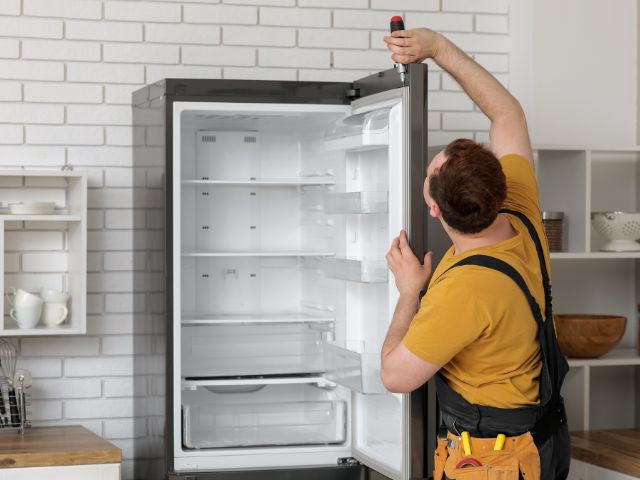
Los Angeles summers are no joke. With soaring temperatures and dry heat waves becoming more frequent, your refrigerator works overtime to keep food fresh and safe. If you own a KitchenAid refrigerator, proper care during the hottest months isn’t just helpful—it’s essential. A well-maintained appliance not only performs better but also lasts longer, saving you time, money, and stress.
Keeping your fridge running smoothly during extreme heat requires a combination of smart habits, regular cleaning, and a little technical awareness. Here’s how to protect your KitchenAid refrigerator and keep it operating at peak efficiency all summer long.
Keep the Temperature Settings in Check
One of the simplest yet most overlooked steps is ensuring your refrigerator is set to the ideal temperature. During hot weather, your appliance may struggle to maintain internal cooling if the settings aren’t optimized.
Set your refrigerator to 37°F (3°C) and your freezer to 0°F (-18°C). These settings strike the perfect balance between food safety and energy efficiency. Avoid lowering the temperature too much, as this can overwork the compressor and increase your energy bills.
If your fridge has a digital display, check it regularly. Heat waves can sometimes cause fluctuations, so a quick glance ensures everything stays consistent.
Clean the Condenser Coils Regularly
Your refrigerator’s condenser coils play a huge role in releasing heat. When they’re covered in dust, dirt, or pet hair, your fridge has to work harder to cool down—especially during a Los Angeles summer.
Make it a habit to clean the coils every two to three months. You’ll usually find them at the back or underneath the unit. Use a vacuum or a coil brush to gently remove debris.
This small maintenance step can significantly improve cooling efficiency and prevent overheating issues that are common in hot climates.
Ensure Proper Airflow Around the Unit
Your refrigerator needs breathing room. In a warm environment, poor ventilation can trap heat and reduce efficiency.
Keep at least 1–2 inches of space between the fridge and the wall. Avoid placing it near heat sources like ovens, dishwashers, or direct sunlight. In LA homes where kitchen space can be tight, this can make a noticeable difference in performance.
If your refrigerator feels unusually warm on the sides, it could be a sign that airflow is restricted.
Avoid Overloading the Refrigerator
It might seem like a good idea to pack your fridge full, but overloading can block air circulation inside. When cool air can’t move freely, some areas may become warmer than others, leading to uneven cooling.
At the same time, an empty fridge also struggles to maintain temperature. The key is balance—keep it moderately stocked so cold items help maintain the internal environment without restricting airflow.
Organize shelves so vents aren’t blocked, and avoid pushing items all the way to the back.
Check and Maintain Door Seals
Door seals (also called gaskets) are your refrigerator’s first line of defense against warm air. During hot summers, even a small leak can force your fridge to work overtime.
Inspect the seals for cracks, dirt, or looseness. A simple way to test them is by placing a piece of paper between the door and the frame—if it slides out easily, the seal may need attention.
Clean the gaskets with mild soap and water to remove grime. If they’re damaged, replacing them promptly can prevent energy loss and temperature instability.
Minimize Door Openings
Every time you open the refrigerator door, warm air rushes in. During a hot LA day, this effect is amplified, making your appliance work harder to restore the ideal temperature.
Try to limit how often and how long the door stays open. Plan ahead when grabbing items, and avoid leaving the door ajar while deciding what to eat.
This simple habit reduces strain on the compressor and helps maintain consistent cooling.
Defrost and Manage Ice Build-Up
If your freezer starts to accumulate excess frost, it can interfere with airflow and cooling efficiency. While many KitchenAid models are frost-free, occasional buildup can still occur.
Check for ice around vents or walls and address it promptly. If necessary, perform a manual defrost following your appliance’s guidelines.
Keeping the freezer in optimal condition ensures the entire unit performs efficiently—even during intense heat.
Keep the Interior Clean and Odor-Free
A clean refrigerator isn’t just about hygiene—it also helps with efficiency. Spills, expired food, and clutter can block vents and disrupt airflow.
Wipe down shelves regularly and remove spoiled items immediately. Use baking soda to neutralize odors and keep the interior fresh.
A well-organized fridge allows cool air to circulate properly, which is especially important during summer months.
Monitor for Warning Signs
Your refrigerator often gives subtle clues when something isn’t right. During hot weather, these signs can become more pronounced.
Watch out for:
- Unusual noises from the compressor
- Food spoiling faster than normal
- Excess condensation inside the fridge
- The motor running constantly
If you notice any of these issues, it may be time to seek professional assistance before a minor problem turns into a major repair.
Schedule Professional Maintenance When Needed
Even with the best care, some issues require expert attention. Regular maintenance checks can catch potential problems early and ensure your refrigerator is ready to handle the summer heat.
For reliable service, consider reaching out to KitchenAid Appliance Repair Professionals when your appliance needs expert care. A trained technician can inspect components, fine-tune performance, and address hidden issues that might not be obvious.
Professional servicing is a worthwhile investment, especially in a climate like Los Angeles where appliances face extra strain.
Be Smart About Energy Efficiency
Running a refrigerator during peak summer can increase your energy consumption. Fortunately, a few smart practices can help you stay efficient without compromising performance.
- Keep your fridge away from direct sunlight
- Use energy-saving modes if available
- Avoid placing hot food directly inside
- Ensure proper leveling so doors close tightly
These small adjustments can reduce energy usage while keeping your refrigerator functioning at its best.
Don’t Forget About Other Kitchen Appliances
Your refrigerator isn’t the only appliance affected by summer heat. Dishwashers, ovens, and other kitchen equipment can also experience performance issues.
If you’ve ever noticed your dishwasher acting up—beeping or flashing unexpectedly—it might be worth checking out this helpful resource:
👉 Why is My KitchenAid Dishwasher Beeping and Flashing Clean?
Keeping all your appliances in good condition creates a more efficient and stress-free kitchen environment.
Prepare for Heat Waves in Advance
Los Angeles heat waves can hit suddenly and last for days. Preparing your refrigerator ahead of time can make a big difference.
Before a heat wave:
- Lower the temperature slightly (but not excessively)
- Stock up on essentials to reduce door openings
- Ensure coils and vents are clean
- Check seals and airflow
Taking these proactive steps helps your refrigerator handle extreme conditions without breaking a sweat.
Extend the Lifespan of Your Refrigerator
A KitchenAid refrigerator is an investment, and proper maintenance ensures you get the most out of it. Consistent care during summer not only improves performance but also prevents costly breakdowns.
Think of maintenance as a routine, not a one-time task. By staying attentive and addressing small issues early, you can enjoy reliable cooling even during the hottest days in LA.
Final Thoughts
Los Angeles summers can be tough on appliances, but your KitchenAid refrigerator doesn’t have to suffer. With the right care—cleaning, proper settings, good airflow, and mindful usage—you can keep it running efficiently all season long.
A little effort goes a long way in preserving performance, reducing energy costs, and avoiding unexpected repairs. Whether it’s wiping down coils or checking door seals, each step contributes to a cooler, more reliable kitchen.
Stay proactive, stay prepared, and let your refrigerator handle the heat with ease.