

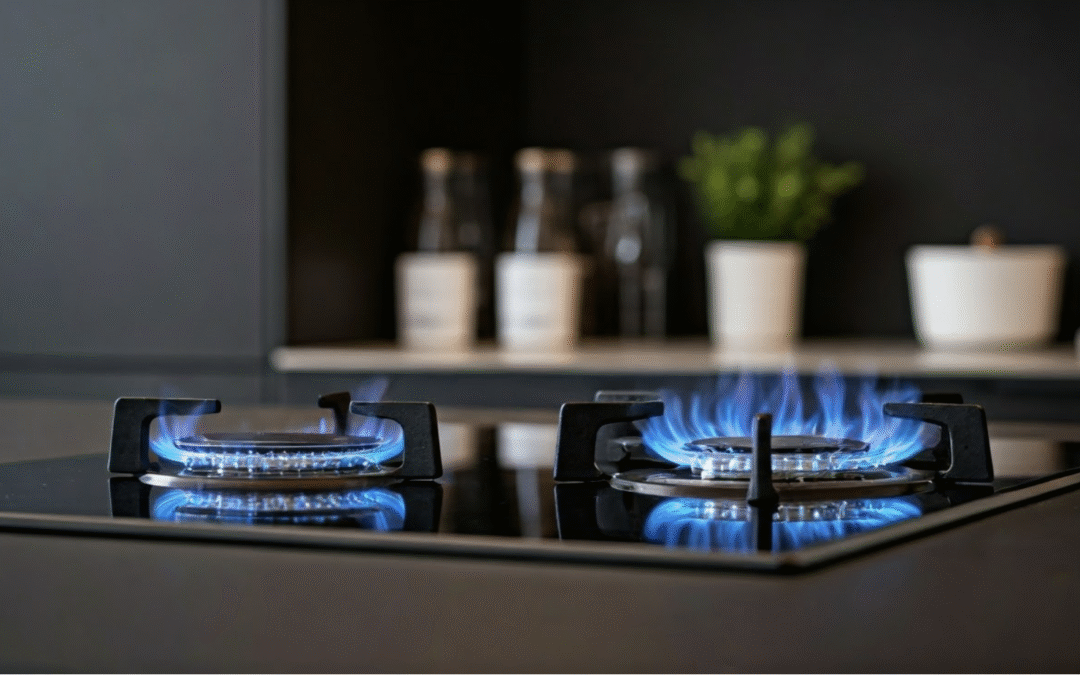
Does your gas cooktop have weak flames that make cooking tough? Weak flames happen when burners do not provide steady heat. This leads to slower cooking and uneven results. It is not just a hassle; it can also affect how well you cook and may show that there are problems with your appliance. It’s important to know why and how to fix a cooktop with weak flames. Keep reading to find good solutions that can help you improve your cooktop’s performance and efficiency.
Common Reasons for Weak Flames
A gas cooktop that has uneven flames may have a few common issues. Often, clogged burner ports can stop the gas from flowing well, leading to a weak flame. Food bits, grease, or dust can build up in these small holes, affecting the gas flow needed for a steady flame.
Low gas pressure is another important factor. If your stove’s gas supply is blocked by a broken hose or a valve that is not fully open, the flames will be weaker. Problems from your gas provider, like low pressure, can also add to the issue.
Airflow issues can make the flame strength even worse. Gas cooktops need the right mix of air and gas to work well. If there is too much air, it can cause weak or yellow flames. If there isn’t enough air, the stove cannot burn well. Fixing these problems can really make your cooking experience better.
Beginner’s Guide to Fixing Weak Flames
Fixing weak flames on your gas cooktop is not hard, even if you are a beginner. You can improve your appliance with some simple steps, a few tools, and basic knowledge. Inspecting burner ports and adjusting the gas supply are easy tasks that you can handle.
Regular care, like cleaning the burners and checking the gas connections, can help stop problems from happening again. If you still have issues after trying to fix them, it’s a good idea to get help from experts like KitchenAid Repairs. This will make sure your repairs are safe and dependable.
Essential Tools and Equipment Needed
The right tools make fixing cooktop issues easier and safer. Start with these essentials:
- Soft brush or toothbrush: Ideal for cleaning burner ports and igniters.
- Safety pins or needles: Effective for clearing small burner holes.
- Compressed air canister: Removes debris from hard-to-reach areas.
- Adjustable wrench: Tightens gas connections and checks alignment.
- Gas pressure gauge: Measures gas supply strength and efficiency.
These tools, along with warm water or dish soap, simplify maintenance. For complex issues like testing gas regulators, use advanced diagnostic kits. Keeping these tools handy allows for quick fixes without guesswork.
Step-by-Step Guide to Troubleshooting
Troubleshooting your gas cooktop starts with a clear plan. Here are the key steps:
Step 1: Inspect and Clean the Burner Ports
Burner ports can often gather debris, causing weak flames. Start by turning off the gas supply to stay safe. Let the cooktop cool down entirely. Then, carefully take off the burner caps.
Wash the caps with warm water and mild soap. Use a soft brush or toothbrush to scrub them clean. For blocked ports, gently use a safety pin or needle to remove the dirt. Compressed air can also help clear tough blockages. Make sure to dry all the parts well before putting them back together.
A clean burner helps create a strong flame and cooks food better. Keeping the ports clean regularly stops dirt from building up. This way, flames stay strong and consistent.
Step 2: Check and Adjust the Gas Supply
Low gas pressure can affect how well your cooktop works. First, make sure the gas valve is fully open. Sometimes a small knock can partially shut it, which blocks the gas flow. Check the gas hose for any kinks, bends, or damage that could be stopping the supply.
If you are using a cylinder, make sure the regulator is tight. Check the gauge to see if the cylinder is low on gas. For bigger issues, like low pressure happening across the area, get in touch with your gas provider to fix outside problems.
Fixing the gas supply usually makes the flame stronger. Regularly checking your connections can help stop these issues from happening again. This will help keep your cooktop working well and effectively.
Step 3: Test and Replace Faulty Components
Faulty components such as regulators or igniters could be the source of weak flames. Start by testing them using diagnostic tools. Check regulators for signs of wear, rust, or leaks. If flames remain weak after adjustments, resetting or replacing the regulator may be necessary.
The following table outlines maintenance and replacement needs:
| Component | Signs of Malfunction | Solution |
|---|---|---|
| Gas Regulator | Weak flames across burners | Replace every five years |
| Ignition System | Difficulty sparking flame | Clean or replace igniter |
| Burner Ports | Uneven flame or blockage | Clean monthly |
Replacing damaged parts ensures safe and efficient operation. If unsure, always seek professional advice to avoid risks.
Contact KitchenAid Repairs for Professional Service
While DIY troubleshooting can help fix many weak flame problems, some issues need a professional. KitchenAid Repairs is good at fixing cooktops quickly and accurately. Our technicians can replace broken parts and solve bigger gas problems to make sure your appliance works well. If you still see weak flames after trying to fix them, please reach out to us. We provide various services for tough repairs, ensuring safety and high-quality results. Contact KitchenAid Repairs today to bring back your cooking appliance’s full power.
Conclusion
In short, dealing with weak flames on your cooktop is vital for good cooking and safety in the kitchen. When you know the common causes and follow our easy guide on how to fix a cooktop with weak flames, you can fix issues and get your cooktop working well again. Regular care, like cleaning burner ports and checking gas supplies, will stop future problems. Whether you are new to cooking or have lots of experience, fixing these problems can really improve your cooking. For more tips and details, you can go to our other blog about How to Fix a Stuck Cooktop Burner Valve for more reading!
Frequently Asked Questions
How often should I clean my cooktop burners?
Clean your cooktop burners every month to keep them working well and safe. Make sure to scrub away food bits, grease, and dirt from the burner ports. This helps the heat to flow smoothly. Cleaning often stops blockages that can weaken the flames. This way, you will have an easy cooking experience.
What are the signs of a malfunctioning gas regulator?
Key signs to look for are weak flames that don’t last on the burners, not getting heat evenly, or gas leaks. If there is a problem with the regulator, it may also affect other gas appliances at home. It’s a good idea to change any worn-out regulators every five years to keep safe and ensure they work well.
Is it safe to use a cooktop with weak flames, or should it be repaired immediately?
Using a cooktop with weak flames can be risky. It can lead to uneven cooking, gas buildup, or even fire dangers. It’s important to fix weak flames quickly to keep safe. If you can’t handle repairs yourself, talk to a professional technician right away.