

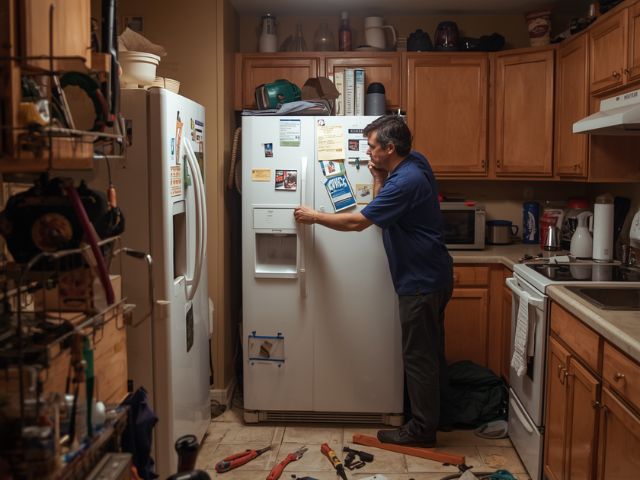
Los Angeles is known for its sunny skies and warm climate, but while the weather is perfect for beach days and outdoor living, it can quietly put extra strain on your home appliances—especially your refrigerator. When temperatures rise, your fridge has to work harder to maintain a safe internal environment, and that added stress can lead to performance issues if left unchecked.
Recognizing the early signs of a struggling refrigerator can save you from spoiled food, higher energy bills, and costly repairs. Knowing what to watch for—and how to respond—can make all the difference in keeping your appliance running smoothly throughout the hottest months.
Subtle Temperature Swings That Affect Food Freshness
One of the earliest and most overlooked signs of refrigerator trouble is inconsistent cooling. You might notice that some foods spoil faster than expected, while others feel slightly warmer or colder than usual.
Warm weather in LA forces your refrigerator to cycle more frequently. If it’s already under strain, it may struggle to maintain a consistent internal temperature. This leads to fluctuations that can compromise food safety and quality.
Check for these indicators:
- Milk spoiling before its expiration date
- Condensation forming inside containers
- Uneven cooling between shelves
Keeping a thermometer inside your fridge can help you monitor this. Ideally, temperatures should stay between 35°F and 38°F. Anything outside that range signals a potential issue.
Constant Running and Unusual Noise Levels
A refrigerator that seems to never stop running is another clear sign of stress. While it’s normal for the appliance to cycle more often during warmer days, nonstop operation indicates it’s struggling to keep up.
You might also hear unusual sounds such as:
- Loud humming
- Clicking noises
- Buzzing that wasn’t there before
These noises can stem from overworked compressors or malfunctioning components. When your fridge runs continuously, it not only increases wear and tear but also drives up your electricity bill.
Excessive Heat Around the Appliance
It’s normal for a refrigerator to generate some heat, especially around the back or bottom. However, during LA’s hotter months, you may notice the exterior becoming unusually warm.
This often happens when:
- The condenser coils are dirty
- Ventilation is blocked
- The appliance is overcompensating for external heat
If the sides or back of your fridge feel excessively hot to the touch, it’s a sign that it’s working overtime and may need maintenance.
Frost Buildup or Excess Moisture
Warm weather can create humidity issues inside your refrigerator. If the appliance isn’t sealing properly or functioning efficiently, moisture can accumulate.
Watch for:
- Frost forming in the freezer
- Water droplets on shelves
- Ice buildup in unexpected areas
These issues may point to faulty door seals or problems with the defrost system. Left unresolved, they can reduce cooling efficiency and lead to bigger mechanical failures.
Rising Energy Bills Without Explanation
When your refrigerator struggles, it consumes more energy to maintain the desired temperature. If you notice a spike in your electricity bill during summer without any major lifestyle changes, your fridge could be the culprit.
This inefficiency often results from:
- Aging components
- Poor maintenance
- Overworking due to high ambient temperatures
Addressing the issue early can help you avoid long-term energy waste and unnecessary expenses.
Food Freezing in the Refrigerator Compartment
While a fridge that’s too warm is a concern, one that freezes food unexpectedly can be just as problematic. Inconsistent cooling systems may cause certain areas to become too cold while others remain too warm.
This imbalance is often caused by:
- Faulty thermostats
- Blocked air vents
- Malfunctioning sensors
If your vegetables are freezing in the crisper drawer or beverages develop ice crystals, it’s time to investigate further.
Door Seal Problems That Let Cool Air Escape
The rubber gasket around your refrigerator door plays a crucial role in maintaining internal temperature. In warm climates like LA, even a small leak can significantly impact performance.
Signs of a faulty seal include:
- The door not closing tightly
- Visible cracks or wear on the gasket
- Warm air entering the fridge
A simple test is to place a piece of paper between the door and the frame—if it slides out easily, the seal may need replacement.
Overcrowding That Restricts Airflow
During summer, people tend to store more food and beverages, especially for gatherings and outdoor events. However, overloading your refrigerator can restrict airflow and make it harder for cool air to circulate.
This leads to uneven cooling and increased strain on the system. Keeping your fridge organized and not overly packed allows it to function more efficiently.
Slow Ice Production or Melting Ice
If your freezer is struggling, it often shows up in ice production issues. You might notice:
- Ice taking longer to form
- Ice cubes melting slightly before use
- Smaller or misshapen cubes
These signs indicate that the freezer isn’t maintaining the proper temperature, which can also affect the refrigerator compartment.
Preventive Steps to Keep Your Refrigerator Efficient
Maintaining your refrigerator during LA’s warm weather doesn’t require complicated steps, but consistency is key.
Here’s how to keep it running smoothly:
- Clean condenser coils every few months
- Ensure proper ventilation around the appliance
- Avoid placing hot food directly inside
- Check and replace door seals if needed
- Keep the interior organized for optimal airflow
For a more detailed approach to routine maintenance, explore this helpful resource:
Your Go-To Routine KitchenAid Appliance Checks Guide
When Professional Help Becomes Necessary
While some issues can be resolved with simple maintenance, others require professional expertise. If your refrigerator continues to show signs of struggle despite your efforts, it’s time to call in a specialist.
Persistent problems such as:
- Frequent temperature fluctuations
- Loud or unusual noises
- Continuous running without cooling improvement
…should not be ignored. Expert technicians can diagnose underlying issues and prevent further damage.
For reliable assistance, consider reaching out to KitchenAid Repairs for professional support and timely solutions.
Why Warm Weather Impacts Refrigerator Performance
Understanding why refrigerators struggle in LA’s climate can help you stay proactive. High ambient temperatures force the appliance to work harder to remove heat from its interior. This constant effort can wear down components over time.
Additionally, frequent door openings during summer—whether for cold drinks or meal prep—introduce warm air, making it even harder for the fridge to stabilize its temperature.
Being mindful of these factors allows you to make small adjustments that significantly improve performance.
Practical Habits That Make a Big Difference
Simple daily habits can extend the life of your refrigerator and improve its efficiency during hot weather:
- Limit how long the door stays open
- Store food in airtight containers
- Keep the fridge away from direct sunlight
- Set the correct temperature levels
- Regularly inspect for early warning signs
These habits may seem minor, but they collectively reduce strain on your appliance and help it perform optimally.
Frequently Asked Questions
- Why does my refrigerator struggle more in warm weather?
Higher temperatures force the appliance to work harder to maintain internal cooling, increasing wear and energy use. - How often should I clean my refrigerator coils?
At least every 3–6 months, especially in warmer climates like Los Angeles. - Is it normal for my fridge to run constantly in summer?
More frequent cycling is normal, but nonstop running may indicate a problem. - Can overfilling my fridge cause cooling issues?
Yes, overcrowding restricts airflow and reduces cooling efficiency. - When should I call a professional for repairs?
If you notice persistent issues like temperature fluctuations, unusual noises, or rising energy bills, it’s best to seek expert help.
Keep Your Refrigerator Ready for LA’s Heat
A struggling refrigerator rarely fails without warning. From subtle temperature changes to noticeable performance issues, the signs are often there—you just need to know what to look for.
Staying proactive with maintenance, adopting smart habits, and addressing problems early can help you avoid costly breakdowns and keep your food fresh even during the hottest days.
With a little attention and care, your refrigerator can handle LA’s warm weather with ease, ensuring your kitchen stays efficient, reliable, and stress-free all summer long.