

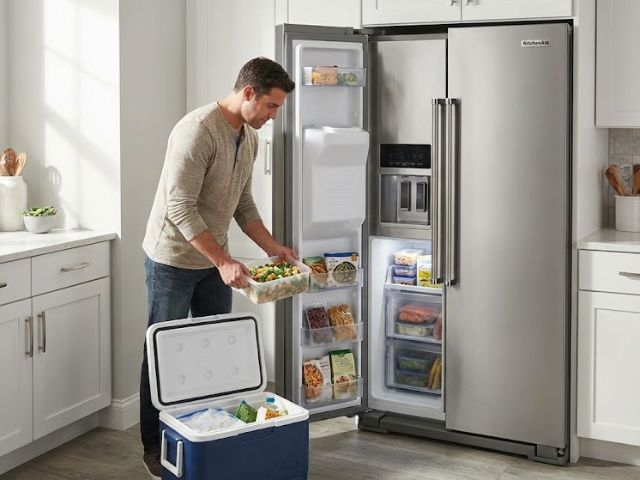
Summer in Los Angeles brings sunshine, longer days, and higher temperatures that can put serious strain on your home appliances—especially your freezer. When outdoor heat rises, your KitchenAid freezer has to work harder to maintain safe internal temperatures. Without proper preparation, this can lead to higher energy bills, inconsistent cooling, or even food spoilage at the worst possible time.
Whether you’re hosting weekend barbecues, stocking up on frozen treats, or simply trying to keep groceries fresh during a heatwave, summer is the perfect time to make sure your freezer is running at peak performance. A little proactive care can save you money, extend the life of your appliance, and prevent unexpected breakdowns.
Why Summer Is the Most Demanding Season for Freezers
Unlike winter or spring, summer forces your freezer to fight against constant external heat. In Los Angeles homes, where kitchens can warm up quickly—especially in apartments or houses without central air—freezers often operate under more stress than usual.
High ambient temperatures cause:
- Compressors to run longer and more frequently
- Internal components to heat up faster
- Door seals to weaken more quickly
- Energy consumption to increase significantly
In simple terms, your freezer is working overtime. Without proper maintenance, this extra workload can shorten its lifespan and reduce efficiency right when you need it most.
Optimize Temperature Settings for Hot Weather
One of the easiest yet most overlooked steps is adjusting your freezer’s temperature for summer conditions. Many homeowners set their freezers once and forget about them, but seasonal changes matter.
The ideal freezer temperature is 0°F (-18°C). During summer, check this using an appliance thermometer instead of relying solely on the digital display. If your freezer struggles to maintain this level, it may need a slight adjustment.
Pro tips:
- Avoid setting it colder than necessary—it wastes energy.
- Don’t overload the freezer; crowded airflow reduces efficiency.
- Keep frozen items organized to minimize door-open time.
A well-balanced temperature keeps food safe while reducing stress on the compressor.
Clean the Condenser Coils for Maximum Efficiency
Dust and pet hair are silent enemies of freezer performance. Over time, condenser coils—usually located behind or underneath the unit—collect debris that traps heat and forces the motor to work harder.
In summer, dirty coils can increase energy use by up to 30%.
How to clean them safely:
- Unplug the freezer.
- Use a coil brush or vacuum with a soft attachment.
- Gently remove dust buildup.
- Plug the unit back in and allow it to stabilize.
This simple task, done every six months, can dramatically improve cooling efficiency and reduce wear on internal parts.
Check Door Seals to Keep Cold Air In
Your freezer’s rubber door gasket plays a critical role in maintaining internal temperatures. During summer, seals are more prone to drying, cracking, or warping due to heat exposure.
Test your door seal easily:
- Close the door on a dollar bill.
- Try pulling it out.
- If it slides out easily, your seal may be compromised.
Faulty seals allow cold air to escape and warm air to enter, causing temperature fluctuations and higher energy bills. Replacing a worn gasket is far cheaper than repairing a damaged compressor later.
Organize for Better Air Circulation
How you arrange items inside your freezer directly impacts performance. Overstuffing restricts airflow, while an empty freezer forces the unit to work harder to maintain cold temperatures.
For optimal performance:
- Keep the freezer about 70–85% full.
- Leave small gaps between items for air circulation.
- Store frequently used items near the front.
- Avoid blocking internal vents.
Well-organized freezers cool more evenly and recover faster after door openings—essential during summer.
Reduce Heat Exposure in Your Kitchen
The environment around your freezer matters just as much as what’s inside it. In Los Angeles, kitchens often receive direct sunlight or heat from ovens, dishwashers, and stoves.
Ways to protect your freezer:
- Keep it away from direct sunlight.
- Ensure at least 1–2 inches of space behind and on the sides.
- Avoid placing it next to heat-generating appliances.
- Use blinds or curtains to reduce solar heat.
Lower ambient temperatures mean your freezer doesn’t have to fight as hard to stay cold.
Recognize Early Warning Signs of Trouble
Summer is when many freezer problems first appear. Catching them early can prevent full system failure.
Watch out for:
- Frost buildup on walls or food
- Strange humming or clicking noises
- Soft or partially thawed frozen items
- Water pooling around the base
- Frequent cycling on and off
These symptoms often indicate airflow issues, thermostat problems, or failing components. Ignoring them during summer can lead to complete breakdowns when you least expect it.
Smart Energy Habits for Lower Summer Bills
With electricity costs already higher during summer, your freezer can become a hidden energy drain if not managed properly.
Energy-saving habits include:
- Opening the door only when necessary
- Letting hot food cool before freezing
- Defrosting regularly if your model isn’t frost-free
- Using “eco mode” if available
- Keeping coils clean year-round
These small changes can significantly reduce your utility bills while extending appliance life.
When DIY Isn’t Enough: Professional Help Matters
While routine cleaning and inspections are great, some issues require expert attention. Electrical faults, compressor problems, refrigerant leaks, and control board failures are not DIY-friendly.
This is where professional service becomes essential. A certified technician can:
- Perform deep system diagnostics
- Calibrate temperature controls
- Replace worn parts safely
- Ensure manufacturer-standard repairs
If you notice recurring issues or declining performance, scheduling professional maintenance before peak summer heat can save you from emergency repairs later.
For trusted service and long-term reliability, many homeowners turn to KitchenAid Repairs for expert diagnostics and professional appliance care.
What to Fix Before Calling for Service
Not every freezer problem requires immediate professional repair. Sometimes, the issue is simple and can be resolved quickly with basic checks.
Before making a service call, review this helpful resource:
KitchenAid Repair Near Me: What to Fix Before You Call
This guide helps you identify minor issues, avoid unnecessary expenses, and understand when professional help is truly needed.
Long-Term Maintenance Tips for Los Angeles Homes
Given the warm climate, Los Angeles homeowners should treat freezer maintenance as an ongoing routine, not a once-a-year task.
Best long-term practices:
- Clean coils every 6 months
- Inspect seals quarterly
- Schedule professional inspection annually
- Keep appliance manuals for reference
- Track energy usage trends
Consistent maintenance ensures your freezer remains reliable not just during summer, but throughout the entire year.
How Summer Care Extends Appliance Lifespan
A well-maintained freezer doesn’t just perform better—it lasts longer. Excess heat, dirty components, and neglected parts accelerate wear and tear.
By following summer prep steps:
- Compressors experience less strain
- Internal electronics stay cooler
- Food stays safer and fresher
- Repair costs decrease over time
In other words, summer care isn’t just about surviving heat—it’s about protecting your investment.
Final Thoughts: Stay Cool, Save More, Stress Less
Your KitchenAid freezer is one of the hardest-working appliances in your home, especially during Los Angeles summers. With higher temperatures and increased usage, it deserves extra attention and care.
From cleaning condenser coils and checking door seals to optimizing temperature settings and monitoring warning signs, these simple yet powerful steps can make a noticeable difference. Not only will you enjoy consistent cooling and fresher food, but you’ll also reduce energy costs and avoid inconvenient breakdowns.
Summer should be about relaxing, entertaining, and enjoying life—not worrying about spoiled groceries or appliance failures. With the right preparation, your freezer can handle the heat while you stay cool, confident, and stress-free all season long.