

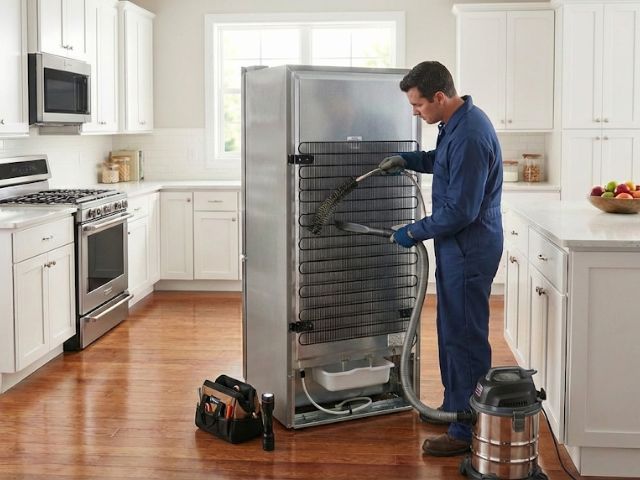
California heatwaves are no joke. When temperatures soar into the triple digits, your KitchenAid refrigerator becomes one of the hardest-working appliances in your home. It’s running nonstop to keep food fresh, beverages cold, and your household comfortable. But extreme heat can put serious strain on refrigeration systems, leading to poor cooling, higher energy bills, and even breakdowns if not handled properly.
Understanding how heat impacts your refrigerator — and what you can do about it — is the key to extending its lifespan and maintaining peak performance. With the right habits and preventative care, your KitchenAid fridge can stay strong even during the most intense summer conditions.
Why Heatwaves Are Tough on Refrigerators
Refrigerators are designed to transfer heat from the inside of the unit to the outside. During a heatwave, that process becomes far more difficult because the surrounding air is already hot. This forces the compressor and condenser to work harder than usual.
When this happens repeatedly, several issues may arise:
- The compressor runs longer cycles
- Internal temperatures become inconsistent
- Energy consumption increases significantly
- Components wear out faster
In California homes where kitchens may already be warm due to sun exposure, cooking, or poor ventilation, these effects can be amplified. Over time, this stress can reduce the efficiency and lifespan of your KitchenAid refrigerator.
Optimize Your Fridge Placement for Better Cooling
One of the most overlooked factors in refrigerator performance is placement. Where your fridge sits in the kitchen plays a major role in how well it handles heat.
Avoid placing your refrigerator next to:
- Ovens or stoves
- Dishwashers that release heat
- Windows with direct sunlight
Ideally, your KitchenAid fridge should be in a well-ventilated area with enough clearance around the back and sides. This allows heat from the condenser coils to dissipate properly instead of being trapped.
Even a few inches of extra space can dramatically improve airflow and reduce how hard the compressor has to work during hot days.
Keep the Condenser Coils Clean
Dirty condenser coils are one of the top reasons refrigerators struggle in summer. Dust, pet hair, and debris act like insulation, trapping heat and preventing proper cooling.
When coils are clogged:
- The compressor runs hotter
- Cooling efficiency drops
- Energy use increases
- Risk of mechanical failure rises
Cleaning your coils every three to six months is one of the simplest and most effective ways to protect your refrigerator during heatwaves. All it takes is a vacuum with a brush attachment or a coil-cleaning brush.
This small task can make a huge difference in performance and longevity.
Adjust Temperature Settings for Extreme Heat
During California heatwaves, your refrigerator may need slight temperature adjustments to stay effective.
Recommended settings for KitchenAid refrigerators:
- Fridge: 37°F to 40°F
- Freezer: 0°F to 5°F
If your kitchen is unusually hot, setting the fridge closer to 37°F helps maintain safe food temperatures without overworking the system. Avoid turning it too cold, as that forces the compressor to run constantly and increases wear.
The goal is balance — efficient cooling without unnecessary strain.
Reduce Door Openings and Heat Infiltration
Every time the refrigerator door opens, warm air rushes in. During heatwaves, that air is significantly hotter, forcing the appliance to work harder to recover.
To minimize this:
- Decide what you need before opening the door
- Avoid standing in front of the fridge browsing
- Keep frequently used items easy to access
- Ensure door seals are tight and undamaged
Worn or cracked door gaskets allow warm air to leak in continuously, even when the door is closed. Replacing faulty seals is a low-cost fix that dramatically improves cooling performance.
Don’t Overload or Underload Your Fridge
The way you load your refrigerator also affects how well it handles heat.
An overloaded fridge:
- Blocks airflow
- Causes uneven cooling
- Forces the compressor to work harder
An underloaded fridge:
- Lacks thermal mass
- Loses cold air faster
- Cycles more frequently
The ideal situation is a moderately full fridge with good air circulation. Items help retain cold, but there should still be space for air to move freely between shelves.
Let Hot Food Cool Before Storing
Placing hot or warm food directly into your refrigerator is a major stress factor during summer. Hot food raises the internal temperature instantly, forcing the system into overdrive.
Best practice:
- Let food cool to room temperature first
- Store in sealed containers
- Avoid large hot pots or trays
This simple habit prevents sudden temperature spikes and helps your KitchenAid fridge maintain consistent cooling with less energy.
Maintain Proper Kitchen Ventilation
In many California homes, kitchens can trap heat due to poor airflow. This creates a hot environment that makes refrigeration less efficient.
Ways to improve kitchen ventilation:
- Use exhaust fans when cooking
- Open windows during cooler evenings
- Avoid running ovens during peak heat hours
- Keep blinds closed during midday sun
Lowering the ambient temperature around your refrigerator reduces the workload on its components and improves overall efficiency.
Watch for Warning Signs of Heat Stress
Heat-related refrigerator problems often start subtly. Paying attention to early warning signs can save you from costly repairs or food loss.
Red flags include:
- Fridge feels warm on the outside
- Food spoils faster than usual
- Freezer develops frost buildup
- Compressor runs constantly
- Unusual buzzing or clicking sounds
If you notice any of these, it’s time to take action. Ignoring them during a heatwave can quickly turn minor issues into major breakdowns.
Schedule Professional Maintenance Before Summer Peaks
Preventative maintenance is one of the smartest investments you can make for your KitchenAid refrigerator. A professional technician can:
- Inspect electrical components
- Test thermostat accuracy
- Clean internal parts
- Identify early mechanical wear
This ensures your fridge is fully prepared before extreme temperatures arrive. One professional checkup can add years to the life of your appliance.
If your refrigerator is already showing signs of struggle, reaching out to KitchenAid Repairs ensures expert diagnostics and specialized service tailored specifically to KitchenAid models.
Smart Energy Habits During Heatwaves
Your refrigerator accounts for a significant portion of household energy use, especially in summer. With rising electricity costs in California, efficiency matters more than ever.
Energy-saving habits include:
- Running appliances during off-peak hours
- Keeping fridge away from heat sources
- Cleaning coils regularly
- Avoiding overcooling settings
These practices not only protect your refrigerator but also reduce strain on your electrical system and lower your monthly bills.
When DIY Fixes Are No Longer Enough
Some problems go beyond simple cleaning and adjustments. If your KitchenAid refrigerator struggles to cool even after basic maintenance, it may be facing deeper issues such as:
- Faulty compressor
- Malfunctioning thermostat
- Refrigerant leaks
- Damaged fans or sensors
In these cases, attempting DIY repairs can make things worse. Professional diagnosis ensures accurate fixes and prevents further damage.
For quick, everyday troubleshooting tips, you may also find our guide on Quick Fixes for Common KitchenAid Appliance Problems helpful, especially if you’re dealing with minor performance concerns.
How Heatwaves Affect Long-Term Appliance Lifespan
Repeated exposure to extreme heat accelerates wear on critical refrigerator components. Over time, this can shorten the overall lifespan of your appliance by several years.
The most vulnerable parts include:
- Compressor motor
- Condenser fan
- Electronic control boards
- Door seals
By following proper maintenance habits and addressing issues early, you protect not just cooling performance, but the long-term value of your KitchenAid investment.
Food Safety During California Summers
Beyond appliance health, refrigerator performance directly impacts food safety. When internal temperatures fluctuate due to heat stress, bacteria can grow rapidly.
Key food safety practices:
- Keep fridge below 40°F
- Discard food left out over 2 hours
- Avoid overcrowding shelves
- Store raw and cooked foods separately
During heatwaves, a reliable refrigerator isn’t just about convenience — it’s about protecting your family’s health.
Building a Summer-Proof Refrigerator Routine
Consistency is what keeps your KitchenAid refrigerator running strong all summer long. A simple routine can prevent most heat-related problems.
Monthly checklist:
- Clean condenser coils
- Inspect door seals
- Monitor temperature settings
- Check airflow space
- Listen for unusual sounds
This proactive approach transforms your refrigerator from a vulnerable appliance into a reliable workhorse — even during California’s hottest days.
The Real Cost of Ignoring Heat Stress
Many homeowners delay refrigerator maintenance until something breaks. Unfortunately, heat-related damage often leads to:
- Spoiled groceries
- Emergency repair costs
- Higher electricity bills
- Premature appliance replacement
Compared to the cost of food loss and major repairs, preventative care is far more affordable and far less stressful.
Staying Cool Starts With Smart Care
California heatwaves aren’t going anywhere, but appliance failures don’t have to be part of the summer experience. With proper placement, regular cleaning, smart temperature settings, and timely professional support, your KitchenAid refrigerator can handle extreme heat with confidence.
A well-maintained refrigerator doesn’t just survive summer — it thrives through it. And when your fridge runs efficiently, your home stays cooler, your food stays safer, and your energy bills stay under control.
In the end, taking care of your KitchenAid refrigerator during heatwaves isn’t just about comfort. It’s about protecting your investment, your food, and your peace of mind — one cool habit at a time.