

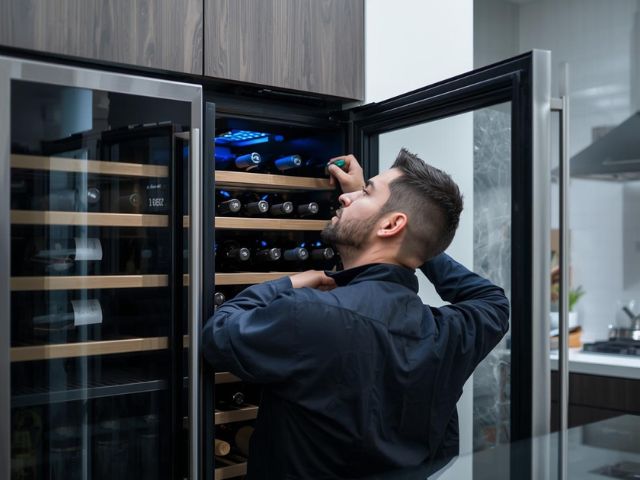
Modern kitchens across Los Angeles often feature sleek wall ovens that combine style with powerful cooking performance. Among these, KitchenAid wall ovens stand out for their durability and advanced features. However, even high-end appliances can encounter issues over time. One concern many homeowners report is overheating—an issue that can lead to uneven cooking, increased energy bills, and potential safety risks if left unaddressed.
Understanding why a wall oven overheats is the first step toward solving the problem. Environmental factors, heavy usage, and worn components can all contribute to the issue. With the right knowledge and proactive steps, Los Angeles homeowners can keep their ovens running efficiently while avoiding costly repairs.
Why Overheating Happens in KitchenAid Wall Ovens
Overheating doesn’t always mean the oven is malfunctioning completely. In many cases, it’s the result of smaller problems building up over time. Recognizing the root causes can help homeowners address the issue before it escalates.
One common reason is a faulty temperature sensor. This small component monitors the oven’s internal heat and communicates with the control board. If it becomes damaged or miscalibrated, the oven may continue heating even after reaching the desired temperature.
Another cause is a malfunctioning thermostat. When the thermostat fails to regulate heat properly, the oven may exceed the set temperature, making it difficult to cook meals evenly.
Electronic control board glitches can also contribute to overheating. Since modern ovens rely heavily on digital controls, even a minor circuit issue can disrupt temperature regulation.
Additionally, damaged door seals allow heat to escape, forcing the oven to work harder and potentially overheat while trying to maintain the set temperature.
Los Angeles Factors That Can Affect Oven Performance
Living in Los Angeles offers many lifestyle advantages, but certain local conditions can also impact home appliances. Warm weather, frequent cooking, and busy households often place extra demands on kitchen equipment.
High ambient temperatures during summer months can make it harder for ovens to regulate heat efficiently. When the surrounding environment is already warm, the appliance’s cooling system may struggle to maintain stable internal temperatures.
Frequent entertaining and cooking also contribute to wear and tear. Many LA households rely heavily on their ovens for daily meals and social gatherings, meaning the appliance runs longer and more often than average.
Another factor is ventilation. Kitchens that lack proper airflow may trap heat around the oven cavity, causing components to heat up faster than intended.
These local lifestyle and environmental factors can gradually affect oven performance if maintenance isn’t prioritized.
Warning Signs Your Wall Oven May Be Overheating
Overheating problems rarely appear without warning. Homeowners often notice subtle signs before the issue becomes serious.
Food cooking faster than expected is one of the most common indicators. If recipes that normally take 30 minutes suddenly finish in 20, the oven temperature may be running higher than the setting.
Burned edges or unevenly cooked dishes can also signal temperature irregularities. When heat distribution becomes inconsistent, some areas of the oven may become significantly hotter than others.
Another warning sign is an excessively hot exterior. While ovens naturally produce heat, the outer surfaces should not become dangerously hot during normal operation.
Finally, frequent error codes or unexpected shut-offs may indicate that the appliance’s safety mechanisms are detecting overheating conditions.
Paying attention to these signs early can prevent more serious appliance damage.
Simple Troubleshooting Steps Homeowners Can Try
Before calling a professional, there are a few steps homeowners can take to determine whether the problem is minor.
Start by checking the oven calibration settings. Some models allow manual temperature adjustments to correct slight inaccuracies.
Cleaning the interior thoroughly can also help. Built-up grease or food debris may interfere with proper airflow and heat distribution.
Next, inspect the oven door seal. If the gasket appears cracked, loose, or worn out, replacing it may restore proper heat retention and prevent overheating.
It’s also helpful to reset the oven by turning off power at the circuit breaker for several minutes. This can clear minor electronic glitches affecting the control system.
While these steps can sometimes resolve minor issues, persistent overheating typically requires professional diagnosis.
When Professional Repair Is the Best Option
If the oven continues overheating after basic troubleshooting, it’s important to seek professional assistance. Ignoring the problem can lead to more extensive damage and potential safety hazards.
Technicians have specialized tools to test sensors, thermostats, and electronic control boards accurately. These components are often difficult for homeowners to diagnose without proper equipment.
Professional repair also ensures that replacement parts are installed correctly and that the appliance meets safety standards after service.
Homeowners in Los Angeles who rely heavily on their kitchen appliances benefit from timely repairs that restore performance and extend the appliance’s lifespan.
For dependable service and expert solutions, many homeowners turn to KitchenAid Repairs for professional support and accurate diagnostics.
Preventing Future Overheating Problems
Preventive maintenance plays a crucial role in keeping wall ovens functioning efficiently. With regular care, homeowners can significantly reduce the risk of overheating issues.
Scheduling periodic appliance inspections is one of the most effective strategies. A technician can identify worn components early and replace them before they fail completely.
Maintaining proper ventilation around the oven is also essential. Ensuring cabinets and vents are not obstructed allows heat to dissipate more effectively.
Using the self-cleaning function carefully is another important step. While convenient, excessive self-cleaning cycles can place extra stress on heating elements and electronic components.
Lastly, routine cleaning and prompt attention to unusual symptoms help keep appliances operating smoothly.
The Importance of Addressing Appliance Issues Early
Small appliance problems rarely stay small for long. When an oven overheats repeatedly, the stress on internal components increases. Heating elements, wiring, and control systems may eventually fail if the problem persists.
Early repairs not only protect the appliance but also help homeowners avoid unexpected breakdowns during important occasions such as holidays or family gatherings.
Prompt action also improves cooking results. Accurate temperatures ensure recipes cook evenly, preserving flavor and texture.
Homeowners who stay proactive with appliance maintenance often enjoy longer appliance lifespans and fewer disruptions in their daily routines.
Related Kitchen Appliance Concerns in Los Angeles Homes
While ovens play a central role in the kitchen, refrigerators and other appliances also require proper care. Cooling problems, for example, can affect food preservation and energy efficiency.
Homeowners interested in learning more about common refrigeration issues may find helpful insights in Top KitchenAid Refrigerator Cooling Issues in LA Households, which explores the causes of cooling failures and practical solutions.
Understanding how different appliances operate—and what signs indicate trouble—can help homeowners maintain a fully functional kitchen.
How Proper Appliance Care Saves Time and Money
Many homeowners underestimate the long-term savings associated with regular appliance maintenance. Addressing small problems early prevents expensive repairs and reduces the likelihood of needing full appliance replacements.
Efficient appliances also consume less energy. When ovens maintain proper temperature levels, they use electricity more effectively, helping reduce monthly utility costs.
Beyond financial benefits, well-maintained appliances contribute to a smoother daily routine. Cooking becomes easier, meals turn out better, and the kitchen remains a comfortable space for family gatherings.
In busy Los Angeles households, reliability and convenience make a significant difference.
Frequently Asked Questions
Why does my KitchenAid wall oven run hotter than the set temperature?
This often happens when the temperature sensor or thermostat is faulty. These components regulate internal heat, and when they malfunction, the oven may exceed the selected temperature.
Is it dangerous if my oven overheats?
Yes, prolonged overheating can damage internal components and pose potential safety risks. It’s important to address the issue as soon as possible.
Can I recalibrate my oven temperature myself?
Many KitchenAid ovens allow calibration through the control panel. However, if the temperature difference is significant, professional inspection may be necessary.
How often should I service my wall oven?
Annual inspections are generally recommended, especially for households that use their ovens frequently.
Does ventilation affect oven temperature control?
Yes. Poor ventilation traps heat around the oven, which can interfere with temperature regulation and increase the likelihood of overheating.
Keeping Your Kitchen Running Smoothly
A reliable wall oven is an essential part of any kitchen, especially in homes where cooking is a daily activity. When overheating issues arise, understanding the causes and acting quickly can prevent more serious appliance problems.
By recognizing warning signs, performing simple maintenance, and seeking professional help when needed, Los Angeles homeowners can ensure their KitchenAid wall ovens remain safe, efficient, and ready for every meal.
Consistent care not only protects your appliances but also preserves the comfort and functionality of the heart of your home—the kitchen.