

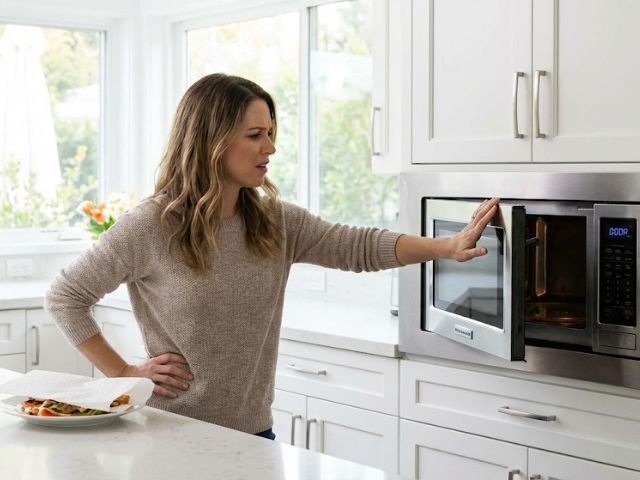
Microwaves have become one of the most essential appliances in modern kitchens. Whether you’re reheating leftovers, preparing quick meals, or defrosting frozen ingredients, a microwave saves time and simplifies everyday cooking. However, when the microwave door refuses to latch, even the simplest task becomes frustrating.
For many homeowners in Pasadena, a malfunctioning KitchenAid microwave door latch can disrupt daily routines and raise concerns about safety and functionality. Microwave doors are designed with built-in safety mechanisms that prevent the appliance from operating unless the door is properly secured. When this system fails, the microwave simply won’t start.
Understanding why a KitchenAid microwave door won’t latch—and knowing what steps to take—can help you determine whether the problem is minor or requires professional attention.
Why a Microwave Door Must Latch Properly
A microwave door latch is more than a convenience feature. It plays a critical role in both safety and performance.
Microwave ovens generate energy that heats food quickly, but this energy must remain contained inside the appliance. The door latch ensures the door stays tightly sealed while the microwave is operating.
When the latch doesn’t engage, the appliance’s internal safety switches prevent it from turning on. This design protects users from potential microwave energy exposure.
A properly functioning latch system also ensures:
- Safe containment of microwave radiation
- Reliable start and stop cycles
- Correct alignment of internal door switches
- Consistent heating performance
Because the door latch is tied directly to the appliance’s safety system, even a small issue can stop the microwave from functioning.
Common Reasons a KitchenAid Microwave Door Won’t Latch
Several factors can cause a microwave door latch to stop working. Some problems are simple and easy to fix, while others may require replacement parts or professional repair.
1. Food Debris or Grease Buildup
Kitchen appliances naturally collect food particles, grease, and dust over time. When these materials build up around the door latch or latch slot, they can prevent the latch hooks from fully engaging.
Even a small amount of sticky residue can interfere with the latch mechanism.
Signs this may be the problem include:
- The door almost closes but doesn’t click into place
- The latch feels sticky or resistant
- Visible grease or crumbs near the latch opening
Regular cleaning can often resolve this issue.
2. Misaligned Door
Another common cause of a microwave door not latching is misalignment. Over time, repeated opening and closing can cause slight shifts in the door hinges.
If the door sits unevenly or doesn’t line up perfectly with the latch slot, the latch hooks may fail to connect with the internal switches.
This often happens if:
- The microwave door has been slammed frequently
- Heavy items were placed on the open door
- The appliance experienced a minor impact
Even a small alignment shift can prevent proper latching.
3. Broken Door Latch Hook
Most microwave doors use plastic latch hooks that extend from the door frame and insert into the latch mechanism inside the appliance.
Because these hooks are made from plastic, they can wear down or break after years of use.
A broken latch hook may cause the door to feel loose or unable to lock in place. In some cases, the microwave may still close but won’t start because the internal switch isn’t activated.
If a hook is visibly cracked or missing, it typically needs replacement.
4. Faulty Door Switch
Microwaves rely on multiple door switches that communicate with the appliance’s control system. When the door closes, the latch triggers these switches, allowing the microwave to operate.
If one of these switches becomes defective, the microwave may behave as though the door isn’t closed—even when it appears fully latched.
Common signs of a faulty door switch include:
- The microwave light turns on but the appliance won’t start
- The display works but cooking functions won’t activate
- The door closes normally but nothing happens when pressing start
This issue usually requires professional inspection.
5. Worn Door Springs or Hinges
Inside the microwave door assembly are springs and hinge components that support smooth opening and closing.
After years of daily use, these parts can weaken or wear down, causing the door to sag slightly. When this happens, the latch may no longer line up with the latch slot.
Homeowners may notice:
- The door feels heavy when opening
- The door doesn’t close flush with the frame
- The latch doesn’t line up properly with the slot
Replacing worn hinges or springs can restore proper door alignment.
Simple Steps to Try Before Scheduling a Repair
While some microwave door latch issues require expert repairs, a few simple troubleshooting steps can sometimes resolve the problem.
Clean the Latch Area
Start by inspecting the latch hooks and the latch slot inside the microwave frame. Use a soft cloth and mild cleaning solution to remove grease or food particles.
Avoid using excessive moisture near electrical components.
Check for Visible Damage
Examine the latch hooks on the door carefully. If they appear cracked, bent, or missing, the door latch assembly may need replacement.
Inspect Door Alignment
Close the door slowly and observe how it lines up with the microwave frame. If it appears uneven or slightly tilted, hinge wear could be the cause.
Avoid Forcing the Door
If the door doesn’t latch easily, never force it shut. Forcing the door can damage the latch mechanism or internal switches.
Preventing Future Microwave Door Problems
Preventative maintenance plays an important role in extending the life of your microwave.
A few simple habits can help keep the door latch functioning smoothly.
Close the Door Gently
Slamming the microwave door puts stress on the latch hooks, hinges, and internal switches.
Closing the door gently helps prevent premature wear.
Clean the Door Regularly
Grease and food particles accumulate quickly around microwave doors.
Wiping down the door edges and latch area during routine kitchen cleaning helps prevent buildup that could interfere with the latch.
Avoid Leaning on the Door
Some people rest plates or containers on an open microwave door while preparing food. This adds unnecessary weight and can cause hinge misalignment.
Keeping the door clear helps maintain proper alignment.
When Professional Microwave Repair Is the Best Option
If basic troubleshooting doesn’t solve the problem, the issue may involve internal components such as switches, springs, or the latch assembly.
Microwave repairs can involve electrical parts and safety systems that require specialized knowledge. Attempting to repair these components without proper training can create safety risks.
That’s why many homeowners in Pasadena turn to experienced technicians for reliable appliance repair.
Professional technicians can diagnose problems quickly, replace damaged components, and ensure the microwave operates safely again.
For trusted assistance, homeowners can contact KitchenAid Repairs for expert service and dependable solutions.
Helpful Tips Before Calling for Service
Before scheduling a repair appointment, gathering a few details about your appliance can help speed up the process.
Technicians may ask for:
- The microwave model number
- The approximate age of the appliance
- A description of the issue
- Any unusual sounds or behaviors
Having this information ready allows repair professionals to arrive prepared with the right tools and replacement parts.
For additional preparation advice, homeowners may also find helpful insights in our previous post:
KitchenAid Repair in Los Angeles: Essential Pre-Call Tips.
Reading through those tips can help you understand what technicians look for when diagnosing appliance issues.
The Importance of Timely Microwave Repairs
A microwave door that won’t latch might seem like a small inconvenience at first. However, ignoring the issue can sometimes lead to more extensive damage.
For example, forcing the door closed can break latch components or damage internal switches. Over time, this could turn a minor repair into a larger, more expensive one.
Addressing the issue early ensures your microwave remains safe and functional while avoiding unnecessary repairs later.
Prompt repairs also restore the convenience of having a fully operational microwave—something most households rely on daily.
Frequently Asked Questions
Why won’t my KitchenAid microwave door click shut?
This usually happens when the latch hooks don’t align properly with the internal latch slot. Debris, misalignment, or broken components may be preventing the latch from engaging.
Is it safe to use a microwave if the door doesn’t latch?
No. Microwave safety systems prevent operation when the door isn’t properly latched. Attempting to bypass or force the latch could be unsafe.
Can I replace a microwave door latch myself?
While some minor parts can be replaced, microwave repairs often involve internal switches and electrical components. Professional repair is typically recommended.
How long do microwave door latches last?
With proper care, a microwave latch can last many years. However, frequent slamming or heavy use can shorten its lifespan.
What should I do if the door closes but the microwave won’t start?
This may indicate a faulty door switch or latch sensor. A technician can diagnose the issue and replace the necessary components.
Restoring Convenience to Your Kitchen
A microwave door that won’t latch can quickly turn everyday cooking into a frustrating experience. Fortunately, many latch issues have simple causes—such as grease buildup, minor misalignment, or worn parts—that can be resolved with proper troubleshooting or professional repair.
By understanding how the latch system works and recognizing early warning signs, homeowners in Pasadena can prevent small issues from becoming major appliance failures.
Regular cleaning, careful use, and prompt repairs will help keep your KitchenAid microwave running smoothly for years to come. When problems do arise, addressing them early ensures your kitchen remains efficient, safe, and ready for everyday cooking tasks.