

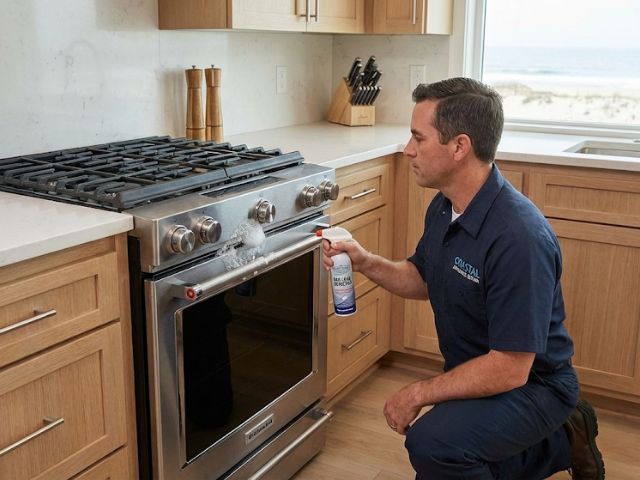
Gas leaks are among the most dangerous issues a homeowner can face—especially when they originate from a kitchen appliance used daily. When a homeowner in Long Beach contacted us about a strong gas odor coming from their KitchenAid range, immediate action was critical. What followed was a precise, safety-first repair process that restored not just the appliance, but peace of mind.
Here’s a closer look at how the situation unfolded, what caused the issue, and the exact steps taken to resolve it quickly and safely.
The Emergency Call That Couldn’t Wait
It started with a faint smell—something the homeowner initially dismissed as a minor issue. But as the odor intensified, especially when the range was in use, alarm bells rang. Recognizing the potential danger of a gas leak, they shut off the appliance and reached out for professional help.
Gas leaks are never something to “wait and see” about. Even a small leak can escalate into a serious hazard, including fire risks, health concerns, and property damage. That urgency set the tone for our response.
Immediate Safety Measures Upon Arrival
Before diving into diagnostics, safety protocols were the top priority. Upon arrival at the Long Beach home, the first step was to ensure the environment was safe for both the occupants and the technician.
The gas supply to the range was confirmed to be turned off. Windows and doors were opened to ventilate the space, reducing the concentration of gas in the air. A gas detector was then used to confirm the presence and approximate location of the leak.
Only after these precautions were taken did the inspection begin.
Pinpointing the Source of the Gas Leak
Gas leaks can originate from several areas within a range, including the supply line, internal valves, burner connections, or ignition system. In this case, the issue was traced to a worn-out gas line connector at the back of the KitchenAid range.
Over time, connectors can degrade due to heat exposure, slight movements of the appliance, or simple wear and tear. Even a tiny crack or loose fitting can allow gas to escape.
To confirm the diagnosis, a leak detection solution was applied to the suspected area. The appearance of bubbles clearly indicated escaping gas—pinpointing the exact source of the problem.
Why This Issue Happens More Often Than You Think
Many homeowners assume gas appliances are “set and forget,” but components like connectors and valves require periodic inspection. Several factors can contribute to gas leaks in ranges:
- Aging or corroded gas lines
- Improper installation or loose fittings
- Frequent movement of the appliance during cleaning
- Exposure to high heat over extended periods
In coastal areas like Long Beach, humidity and salt air can also accelerate wear on metal components, making routine maintenance even more important.
The Repair Process: Fast, Precise, and Thorough
Once the source of the leak was confirmed, the repair process moved forward with careful precision. The damaged gas connector was removed and replaced with a high-quality, code-compliant part designed for durability and safety.
Each connection point was tightened and sealed properly to ensure there were no gaps or weak spots. After installation, the system was tested again using both a gas detector and leak detection solution.
No bubbles. No readings. Just a clean bill of health.
But the job didn’t stop there.
Testing the Range for Safe Operation
After repairing the leak, it was essential to ensure the KitchenAid range functioned correctly under normal use. The gas supply was turned back on, and each burner was tested individually.
The ignition system was checked for proper spark and consistent flame. Burners were observed for even flame distribution and correct color—typically a steady blue, which indicates proper combustion.
The oven was also tested to ensure there were no hidden issues within the internal gas system.
Everything performed flawlessly.
Educating the Homeowner for Future Prevention
A crucial part of every repair is making sure the homeowner understands how to prevent similar issues in the future. In this case, a few simple but effective tips were shared:
- Avoid pulling or shifting the range unnecessarily
- Schedule periodic inspections for gas connections
- Be alert to unusual smells, even if they seem minor
- Install a gas leak detector for added safety
Small habits can make a big difference when it comes to preventing dangerous situations.
The Importance of Acting Quickly
One of the biggest takeaways from this experience is the importance of acting fast. The homeowner’s decision to address the issue immediately prevented what could have been a much more serious situation.
Gas leaks don’t resolve themselves—and delaying repairs can increase risks exponentially. Quick action not only protects your home but can also reduce repair costs by addressing problems before they worsen.
Choosing the Right Professionals Matters
Not all appliance issues require urgent attention, but gas-related problems absolutely do. Working with trained professionals ensures that repairs are done correctly, safely, and in compliance with local regulations.
That’s exactly what KitchenAid Repairs delivered in this situation—fast response, expert diagnostics, and a safe, lasting solution.
Common Warning Signs You Should Never Ignore
If there’s one lesson to carry forward, it’s recognizing the early signs of a gas leak. These warning signals should never be ignored:
- A distinct sulfur or “rotten egg” smell
- Hissing sounds near the appliance
- Weak or irregular burner flames
- Headaches or dizziness when near the kitchen
If any of these occur, turn off the gas supply immediately, ventilate the area, and call for professional help.
How Regular Maintenance Prevents Emergencies
Preventative maintenance is the unsung hero of home safety. Scheduling routine inspections for gas appliances can identify worn parts, loose connections, and other risks before they turn into emergencies.
Even something as simple as checking connectors annually can significantly reduce the likelihood of a leak.
For homeowners who want to avoid costly mistakes when hiring help, this helpful resource—Mistakes to Avoid When Seeking KitchenAid Repair Near Me—offers valuable insights that can save time, money, and stress.
Why KitchenAid Ranges Require Specialized Care
KitchenAid ranges are known for their performance and durability, but like any high-end appliance, they require proper care and expert handling. Their advanced components and precise engineering mean that even minor issues should be addressed by experienced technicians.
Attempting DIY fixes on gas-related problems is never recommended. The risks far outweigh the potential savings.
A Safe Kitchen Is a Confident Kitchen
There’s something deeply reassuring about knowing your kitchen is safe to use. After the repair, the homeowner could return to cooking without worry—confident that the issue had been resolved correctly.
That peace of mind is what every homeowner deserves.
Final Thoughts: Safety First, Always
Gas leaks are serious, but with the right response, they’re also manageable. This Long Beach repair is a perfect example of how quick thinking, professional expertise, and proper safety protocols can turn a potentially dangerous situation into a resolved one.
If there’s ever a doubt about your appliance, trust your instincts and act immediately. It’s always better to be cautious when it comes to gas.
Keeping your home safe isn’t just about fixing problems—it’s about preventing them, staying informed, and choosing the right experts when it matters most.