

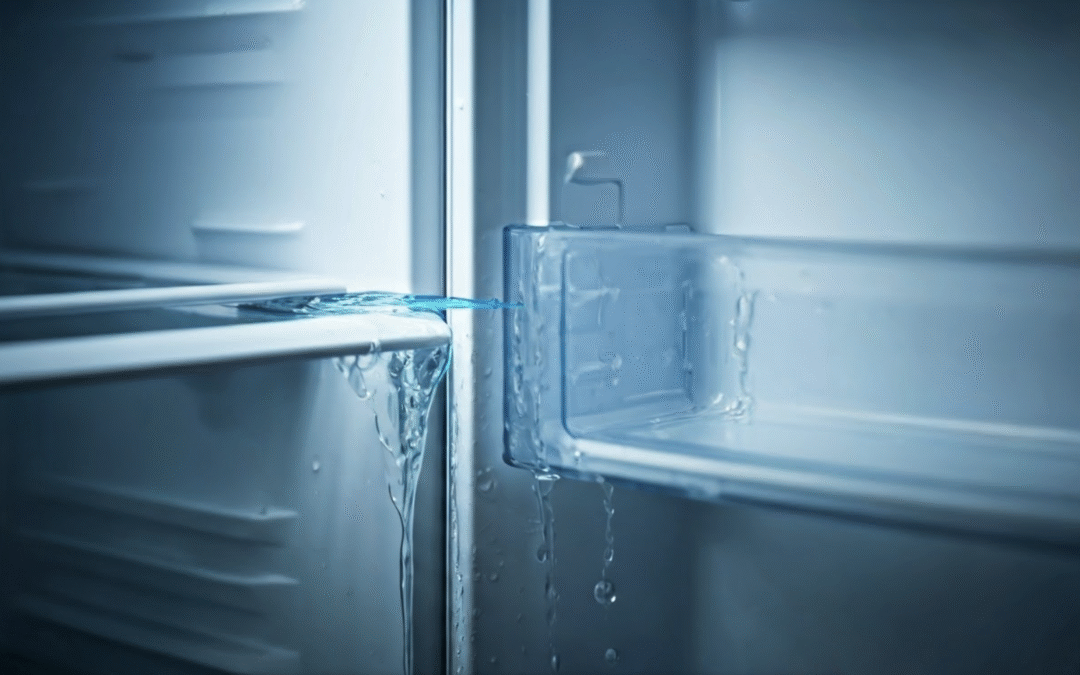
Finding a puddle of water in your KitchenAid refrigerator (other brands) can really worry you. You may think there’s a big problem with your appliance. But don’t worry! The usual causes of refrigerator leaks are often easy to fix. This article looks at the main reasons why a refrigerator is leaking water inside. It will explain why they happen and give you helpful tips to help your refrigerator cool your food again.
Understanding Why Your Refrigerator Is Leaking Water Inside
Before you worry, just take a deep breath! Often, leaks in your refrigerator aren’t real leaks like cracks or holes. They are usually due to extra moisture or a small blockage stopping water from flowing properly. This means that a few simple checks and cleaning might fix the issue.
Sometimes, a broken part could cause the problem. Don’t stress; we will look at the most common reasons for these leaks. We’ll help you figure out what the problem is and show you effective solutions, whether you want to fix it yourself or get professional help.
1. Clogged Defrost Drain
One common reason for water leaks in a fridge is a clogged defrost drain. This drain is usually at the bottom of the back wall. It helps direct water that builds up from melting ice and condensation. When food bits, ice, or other junk block this drain, water can’t flow out. As a result, a pool of water forms inside your fridge.
Luckily, fixing this problem is usually easy. Most refrigerators come with a small tool to clear the defrost drain. You can often find this tool hanging inside the drain. If this tool doesn’t work, try pouring warm water (not boiling) down the drain. This can help melt any blockage.
If the clog remains, it might be time to call a professional technician. This could mean there is a tough blockage that needs special tools or methods to remove it without harming your appliance.
2. Faulty Water Inlet Valve
Refrigerators that have water dispensers and ice makers come with a water inlet valve. This valve controls how water flows into the fridge. Over time, the valve can wear out or stop working. This can lead to a constant water leak.
To find out if the inlet valve is broken, you should check the water line that is linked to it. If you see water dripping or a constant leak near the valve, even when the water dispenser or ice maker is off, that’s a clear sign something is wrong.
Since this valve is connected to your home’s plumbing, it is best not to try to fix it yourself. It’s a good idea to call a professional appliance repair tech. They can make sure the problem gets fixed correctly and lastingly.
3. Damaged or Loose Water Line Connections
In addition to a broken valve, the water line that connects the refrigerator to the water supply can leak. These leaks often happen at connections because of wear and tear, accidental damage, or poor installation. You can often find visible cracks, bulges, or loose connections by visually checking the water line. Start from the back of the refrigerator and follow it to where it connects.
Sometimes, you can tighten loose connections, but be careful not to over tighten. Doing so may damage the line or the fitting. If you see any signs of damage, it’s important to replace the line completely to avoid more leaks.
If you feel unsure about doing plumbing work, it’s best to get help from a qualified technician. They have the skills to find the problem and fix or replace it safely and correctly.
Preventive Measures to Stop Your Fridge From Leaking
Preventing annoying refrigerator leaks is easy with some simple maintenance. This care can help your fridge last longer and save you from future problems. Think of it as giving your faithful appliance a little love!
You should regularly clean the defrost drain, check the water lines for any damage, and make sure the fridge door seals tight. These are important steps to take. By adding these tasks to your routine, you can lower the chances of unexpected leaks and help your refrigerator last longer.
1. Regular Cleaning of the Defrost Drain
Keeping your fridge clean does more than stop bad smells. It is also very important to stop leaks. A clean defrost drain allows melted ice and moisture to drain away easily. This helps prevent clogs and leaks.
Here’s how you can keep your drain clear:
- Frequent Checks: Look at the defrost drain every few months for any dirt or clogs.
- Gentle Cleaning: Clean around the drain opening with warm water and baking soda. Don’t use sharp or rough tools that might hurt the drain.
- Flushing the Drain: After cleaning, pour warm water down the drain to wash away any loose bits.
By adding these easy cleaning steps to your routine, you can really lower the chance of water leaks from a blocked defrost drain.
2. Routine Inspection of Water Lines and Valves
It is very important to check the water lines and valves that go with your refrigerator’s water dispenser and ice maker, along with the defrost drain. Finding problems early can help you avoid water damage and expensive repairs later.
Make it a habit to:
- Check for Leaks: Regularly look over the water lines for any leaks, cracks, or damage. Be especially careful at the connection points, as they may have more problems.
- Look for Signs of Wear: Check the water inlet valve for any signs of rust, mineral buildup, or wear and tear. These can mean it might fail soon.
- Tighten Loose Connections: If you find loose connections, carefully use pliers to tighten them. Don’t tighten too much, as this could break the threads or damage the fitting.
Remember that it is better to prevent problems than to fix them later. These simple checks will help your refrigerator stay leak-free for many years.
Contact KitchenAid Repair for Reliable Service!
Dealing with a refrigerator leak can be stressful, especially if troubleshooting hasn’t pinpointed the cause or if the issue persists. Attempting complex repairs without proper expertise can potentially worsen the problem or even void your warranty.
That’s where KitchenAid Repairs comes in! Our team of certified technicians specializes in diagnosing and repairing appliance issues efficiently and effectively. We understand the urgency and importance of a functioning refrigerator, and our commitment lies in getting your appliance back in tip-top shape promptly. Don’t hesitate to reach out to us for reliable and professional assistance with any refrigerator woes you may encounter.
Conclusion
It is important to understand why a refrigerator is leaking water inside. Some common reasons are a clogged defrost drain, a bad water inlet valve, or broken water line connections. You can avoid leaks by regularly cleaning and checking your fridge. If you have this problem, contact us at KitchenAid Repairs for dependable service! For more tips on caring for your appliances, visit our blog on How to Reset A Refrigerator After a Power Outage. Remember, good maintenance helps your appliances last longer and work better.
Frequently Asked Questions
What should I do immediately if I notice my refrigerator leaking water inside?
If you find water leaking inside your refrigerator, the first thing to do is unplug the appliance. This will help keep you safe from electrical problems. Next, take out any food that got wet. Try to soak up the water to check what happened and to stop any more damage.
How often should I inspect my refrigerator to prevent internal leaks?
It’s a good idea to check your refrigerator for leaks every three to four months. Look for any water buildup, loose connections, or damage to the water lines and valves. This way, you can catch any leak early.
Can a leaking refrigerator lead to more serious appliance issues?
Ignoring a leaking refrigerator can cause bigger problems. Water could damage the electrical parts or the inside of the appliance. This might lead to expensive repairs or even mean you have to replace it completely.