

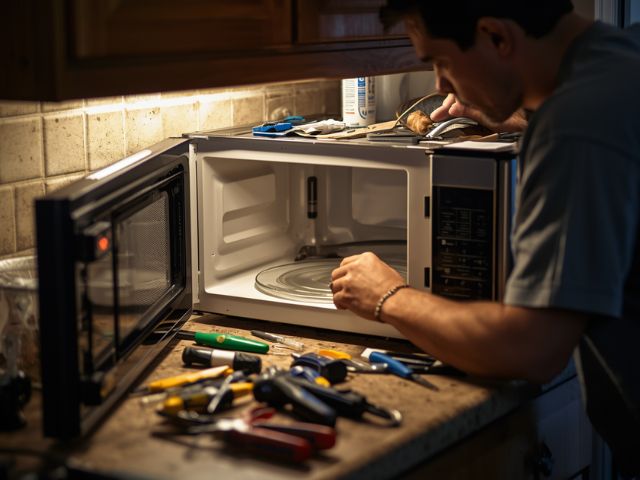
Summer can be tough on appliances, and your microwave is no exception. Rising temperatures, increased humidity, and heavier kitchen use can all create the perfect storm for performance issues. What starts as longer heating times or strange noises can quickly turn into frustrating breakdowns if ignored.
Microwaves are designed to handle everyday cooking demands, but extreme seasonal heat often exposes weaknesses in ventilation, electrical components, and maintenance habits. Understanding what causes these seasonal malfunctions helps homeowners stay ahead of expensive repairs and inconvenient downtime.
Whether your microwave is overheating, sparking, shutting off unexpectedly, or struggling to heat food evenly, many warm-weather problems have clear causes—and even better, practical solutions.
Why Summer Heat Can Trigger Microwave Problems
Microwaves generate significant internal heat during operation. Add soaring kitchen temperatures to that equation, and components can begin working harder than intended.
During hotter months, common stressors include:
- Reduced airflow around the appliance
- Overheated internal electronics
- Humidity affecting sensitive components
- Power fluctuations from increased summer electricity demand
- Grease buildup reacting poorly to added heat
When multiple factors combine, even a well-maintained microwave can begin showing signs of trouble.
Overheating Is One of the Biggest Summer Culprits
One of the most common warm-weather microwave complaints is overheating.
If your microwave shuts off mid-cycle, feels unusually hot on the exterior, or pauses during cooking, excess heat may be the cause.
Common Reasons Microwaves Overheat
Blocked ventilation
Microwaves need room to breathe. If vents are covered by grease, dust, or nearby objects, hot air gets trapped.
Extended use during gatherings
Summer parties often mean repeated reheating, cooking, and defrosting. Long cycles can overwork the magnetron and cooling fan.
Ambient kitchen heat
When surrounding temperatures rise, cooling systems struggle to regulate internal components.
How to Fix It
- Clean exterior and interior vent openings regularly
- Leave proper clearance around countertop models
- Avoid running multiple long cooking cycles back-to-back
- Give the microwave cooling breaks during heavy use
- Check whether the cooling fan is operating properly
If overheating persists, professional servicing may be needed. Trusted specialists like KitchenAid Repairs can diagnose deeper component strain before permanent damage occurs.
Humidity Can Affect Electrical Performance
Summer humidity often causes subtle but frustrating microwave issues.
Excess moisture can interfere with:
- Touchpad responsiveness
- Control board performance
- Door sensor reliability
- Electrical connections
You may notice buttons not responding, random beeping, or the microwave failing to start consistently.
What Helps
Keep humidity from accumulating around the appliance by:
- Using kitchen exhaust fans while cooking
- Running a dehumidifier in particularly damp climates
- Wiping condensation from doors and seals
- Checking for worn door gaskets that allow moisture intrusion
Preventing moisture buildup often solves problems before they escalate.
Power Surges Can Damage Sensitive Components
Summer storms and heavier energy demand can lead to voltage fluctuations that impact microwaves.
Unlike obvious overheating problems, electrical damage may show up gradually.
Warning signs include:
- Flickering displays
- Intermittent shutdowns
- Clock resets
- Inconsistent heating power
- Sudden failure to turn on
Protecting Your Microwave
Simple protection steps include:
- Plugging into a surge protector rated for appliances
- Avoiding overloaded kitchen outlets
- Unplugging during severe storms when practical
- Having faulty outlets inspected promptly
Electrical instability can shorten the life of major microwave components, especially the control board and magnetron.
Dirty Components Can Perform Worse in Hot Weather
A little grease or dust may not seem serious, but summer heat can amplify those issues.
Grease buildup can trap heat.
Dust can clog vents.
Food debris can trigger sparking.
Together, they make your microwave work harder while cooling less efficiently.
Areas Often Overlooked During Cleaning
Focus on these problem spots:
Vent grilles
Dust accumulation here reduces airflow dramatically.
Waveguide cover
Food splatter on this panel can lead to arcing.
Door seals
Sticky residue may prevent proper closure.
Turntable track
Debris can affect rotation and cause uneven cooking.
Routine cleaning isn’t just cosmetic—it directly affects performance.
Uneven Heating Often Signals Hidden Trouble
If leftovers come out cold in the center but boiling at the edges, summer stress may be revealing deeper issues.
Potential causes include:
- Weakening magnetron
- Failing high-voltage diode
- Turntable motor issues
- Internal heat-related wear
Sometimes what appears to be a food-heating issue actually starts with heat fatigue in electrical components.
Before assuming major failure, test simple fixes:
- Use microwave-safe containers
- Stir food midway through cooking
- Verify turntable rotation
- Clean interior thoroughly
If heating remains inconsistent, professional diagnosis may prevent a full breakdown.
Why Built-In Microwaves Face Extra Summer Stress
Built-in units often face different challenges than countertop models.
Because they sit enclosed within cabinetry, airflow can be more restricted.
Summer heat may worsen:
- Cabinet heat buildup
- Ventilation deficiencies
- Internal cooling fan strain
- Electronic board overheating
If your built-in microwave feels unusually hot around surrounding cabinets, airflow could be inadequate.
A ventilation review can often improve both performance and lifespan.
Strange Noises Should Never Be Ignored
Buzzing.
Grinding.
Humming changes.
Clicking sounds.
These noises often become more noticeable in hotter months.
Possible causes include:
- Fan motor struggling from heat
- Turntable mechanism wear
- Magnetron issues
- Loose internal components expanding with temperature
Some noises signal simple wear. Others may indicate safety concerns.
Unusual sounds deserve attention before they turn into major repairs.
Smart Habits That Reduce Summer Microwave Breakdowns
Prevention is almost always easier than repair.
Small adjustments can significantly reduce seasonal strain.
Helpful Habits to Adopt
Avoid heat stacking
Don’t run the microwave while using nearby heat-heavy appliances like ovens if possible.
Use shorter cooking intervals
Breaking long cycles into shorter bursts reduces overheating.
Keep vents unobstructed
Never store items against ventilation openings.
Clean weekly in summer
Warm weather often means more cooking and faster grease buildup.
Inspect the door regularly
A poor seal can cause performance and safety issues.
These simple habits can extend appliance life considerably.
When DIY Fixes Aren’t Enough
Some microwave issues require more than routine troubleshooting.
Call for professional help if you notice:
- Burning smells
- Sparks inside the cavity
- Frequent shutdowns
- No heat despite normal operation
- Repeated tripped breakers
- Persistent buzzing or arcing sounds
Microwaves contain high-voltage components that can remain dangerous even unplugged, so internal repairs should not be DIY projects.
Summer Appliance Stress Often Affects More Than One Kitchen Unit
Interestingly, microwave issues during hot weather often overlap with problems affecting other kitchen appliances.
Humidity, voltage stress, and heat can impact multiple systems.
If your microwave has shown strange behavior, it may be worth reading related appliance troubleshooting advice too, especially our guide How to Handle Mixed KitchenAid Appliance Signals Like a Pro, which explores how seemingly unrelated appliance warning signs may actually point to broader kitchen performance issues.
Sometimes one symptom reveals a bigger pattern.
Warning Signs Your Microwave May Be Nearing Failure
Some symptoms suggest seasonal stress is exposing aging parts.
Watch for:
- Food taking much longer to heat
- Display dimming or flickering
- Door latches feeling loose
- Frequent overheating pauses
- Unusual odors during use
- Buttons responding inconsistently
Catching these early often means simpler, cheaper repairs.
Ignoring them may lead to full replacement.
Frequently Asked Questions
Why does my microwave stop working when the kitchen gets hot?
High ambient temperatures can cause overheating protection systems to shut the microwave down temporarily, especially if ventilation is restricted.
Can humidity damage a microwave?
Yes. Excess moisture can interfere with control panels, sensors, and electrical connections, causing inconsistent operation.
Why does my microwave spark more in summer?
Heat combined with food splatter, grease buildup, or damaged waveguide covers can increase sparking risks.
Is uneven heating caused by summer temperatures?
Sometimes. Heat can worsen wear in the magnetron or other internal components, leading to inconsistent cooking.
How often should I clean microwave vents in warm months?
Monthly is a good baseline, though heavy summer cooking may justify more frequent cleaning.
Keep Summer Heat From Shortening Your Microwave’s Life
Summer puts hidden stress on appliances, and microwaves often feel that pressure first. Overheating, humidity issues, power surges, poor airflow, and neglected maintenance can all contribute to frustrating malfunctions.
The good news is many warm-weather microwave problems are preventable.
Routine cleaning, proper ventilation, surge protection, and early attention to warning signs can keep your appliance dependable even during the hottest months.
When symptoms move beyond basic maintenance, timely professional repair can prevent bigger failures and protect the investment you’ve made in your kitchen.
A little seasonal awareness goes a long way toward keeping your microwave safe, efficient, and ready for every meal.